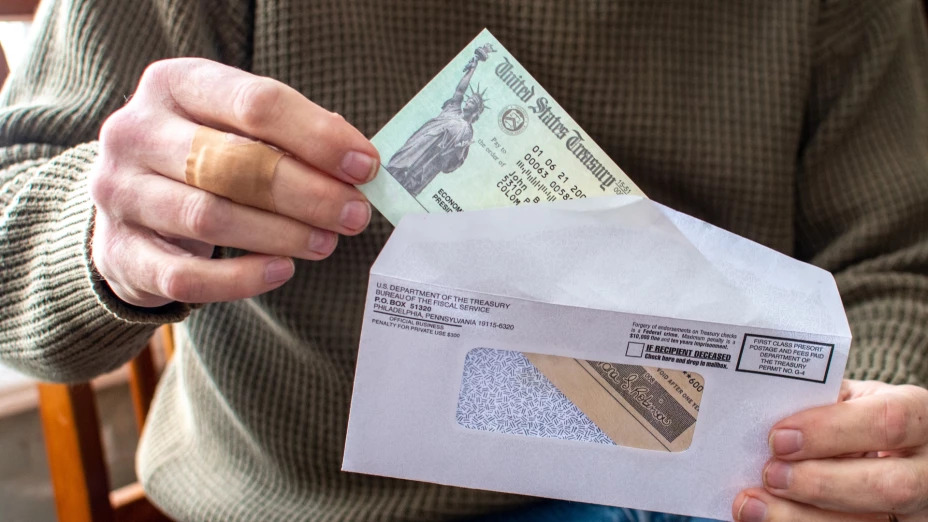
After de COLA increase was applied, the benefits raised to maximums the program has never seen before
The first Social Security checks of 2026 are arriving, delivering a promised 2.8% cost-of-living adjustment to millions of mailboxes and bank accounts. But for many retirees, the fanfare over the higher number is quickly giving way to a familiar, frustrating reality.
The extra dollars in your Social Security deposit are being swallowed, penny for penny and sometimes more, by other rising costs. This annual ritual—a give-and-take that defines the financial reality for American retirees—is playing out once again, with a few new twists for the year.
The 2026 Social Security January Payments Increased
That 2.8% boost, known as the COLA, is calculated to help benefits keep pace with inflation. On paper, it lifts the average retiree’s monthly payment from about $2,015 to $2,071. It’s a necessary adjustment, but it’s rarely the full story. The most significant counterpunch comes from Medicare.
The standard monthly premium for Medicare Part B, which covers doctor visits and outpatient care, is jumping to $202.90. That’s a nearly 10% increase from last year. Since this premium is typically deducted directly from Social Security payments, the net gain for many is instantly smaller.
For Some, the COLA Might Vanish Entirely
This tension between the COLA and Medicare costs is the central drama of the annual Social Security update. But this year’s subplot involves work and taxes. For the millions who remain in the workforce while collecting benefits, the rules have shifted slightly.
The government allows you to earn a certain amount without penalty. In 2026, if you are under your full retirement age for the entire year, you can make up to $24,480. For every $2 you earn above that, Social Security will withhold $1 from your benefits.
The limit is higher in the year you reach full retirement age: $65,160, with $1 withheld for every $3 over that threshold. These limits are up from 2025, offering a bit more breathing room for those who need or want to work.
Then There’s the Tax Break for Retirees
A provision in recent legislation created a new, temporary deduction for taxpayers aged 65 and older—up to $6,000 for individuals. It’s important to understand what this is not. It is not a magic wand that makes Social Security income tax-free.
Instead, it lowers your overall taxable income, which can, for some people with moderate other income, reduce or even zero out the portion of Social Security subject to federal tax. It’s a helpful lever, but one with income limits and a sunset date.
The Maximum Benefits in January
Behind these consumer-facing changes are other adjustments. The maximum benefit for a worker retiring at their full retirement age in 2026 is now $4,152 per month.
For those who delay claiming until age 70, the top monthly payout climbs to $5,181. On the flip side, the maximum amount of earnings subject to the Social Security payroll tax has risen to $184,500.
What to do if your Social Security payment does not arrive
- If the deposit does not appear on the scheduled date, the SSA recommends following these steps:
- Contact your bank or financial institution first, as there may be a delay in posting the payment.
- If the problem persists, contact the SSA at 1-800-772-1213 (TTY 1-800-325-0778) or visit your local office.
- The agency itself states: “We will review the case and, if the payment is due, we will replace it“.
The Social Security and SSDI payment schedule for January 2026 is already set, and knowing the correct dates can avoid unnecessary stress at the beginning of the year. Whether you receive retirement, disability or SSI, having this information at hand will allow you to better plan your finances and act quickly in the event of any inconvenience.