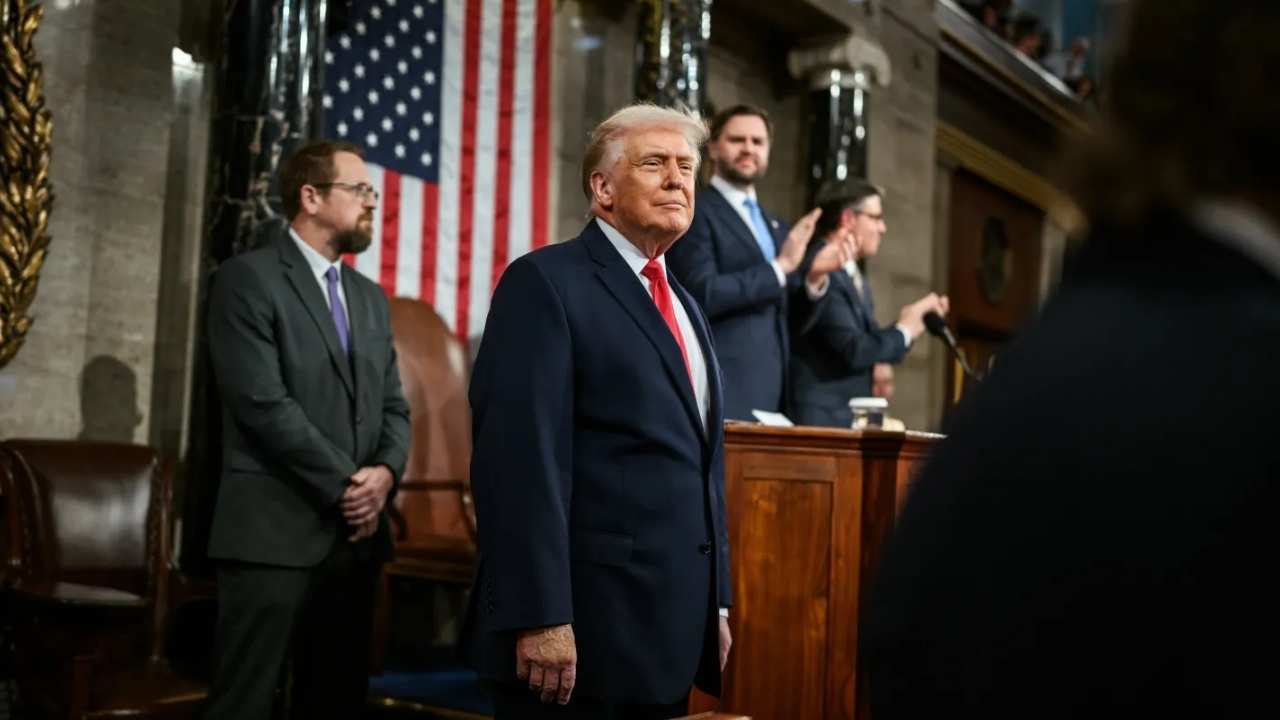
President Donald Trump this week outlined a commitment aimed at strengthening retirement savings protections for millions of Americans, signaling renewed focus on workers who rely on employer-sponsored retirement plans such as 401(k)s and IRAs.
The announcement, described by administration officials as part of a broader retirement security initiative, centers on safeguarding tax advantages and expanding access to savings tools for an estimated 57 million workers currently contributing to workplace retirement accounts.
Here’s what that means — and what it does not.
What Was Promised
According to remarks made during a policy discussion, the administration pledged to:
-
Maintain tax-deferred status for 401(k) contributions
-
Oppose proposals that would reduce annual contribution limits
-
Support policies designed to expand access to employer-sponsored retirement plans
-
Encourage broader participation among small businesses
For workers contributing to 401(k) plans, preserving tax advantages is significant. Contributions are generally made pre-tax, allowing savings to grow tax-deferred until withdrawal in retirement.
Any change to that structure could have affected long-term retirement balances.
Why This Matters to Workers
Roughly 57 million Americans actively participate in employer-sponsored retirement savings programs. For many middle-income workers, these plans represent their primary retirement nest egg outside of Social Security.
Key concerns among savers in recent years have included:
-
Potential changes to tax treatment of contributions
-
Rising inflation impacting retirement readiness
-
Market volatility affecting investment balances
-
Concerns about long-term retirement security
A public pledge to maintain existing tax benefits may provide reassurance to workers continuing to contribute to their plans.
What Has Not Changed
It’s important to clarify:
-
No new law has been enacted as a result of the announcement.
-
Contribution limits remain set by the Internal Revenue Service (IRS) for 2026.
-
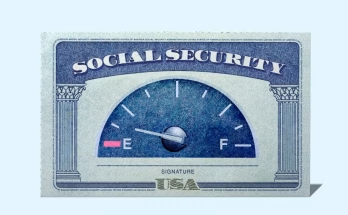
Social Security benefits are not directly affected by this retirement savings proposal.
At this stage, the statement represents a policy commitment rather than an immediate regulatory change.
The Bigger Retirement Picture
Retirement security remains a central issue for policymakers across party lines. As life expectancy increases and traditional pensions decline, more Americans depend heavily on defined contribution plans like 401(k)s.
Financial experts often recommend:
-
Contributing enough to receive full employer match
-
Diversifying investments
-
Reviewing asset allocation periodically
-
Considering catch-up contributions for workers over age 50
Preserving tax-advantaged savings vehicles plays a major role in helping workers accumulate long-term retirement assets.
What Workers Should Watch
If legislative proposals move forward, workers should monitor:
-
Changes to contribution limits
-
Adjustments to tax deductibility rules
-
New incentives for small-business retirement plans
-
Expanded automatic enrollment provisions
For now, retirement savings structures remain unchanged.
Bottom Line
President Trump’s promise to protect retirement savings tax advantages may offer reassurance to millions of workers contributing to 401(k)s and similar plans. However, no immediate changes to retirement accounts have been enacted.
Workers should continue following established retirement planning strategies while watching for any formal legislative developments.