New nationwide service system could reshape how beneficiaries schedule appointments, file claims, and get help
By Suzanne Blake | Mar 06, 2026 at 05:37 PM EST
A major operational change is coming to the nation’s Social Security system this weekend, potentially affecting how more than 70 million Americans interact with one of the federal government’s most important programs.
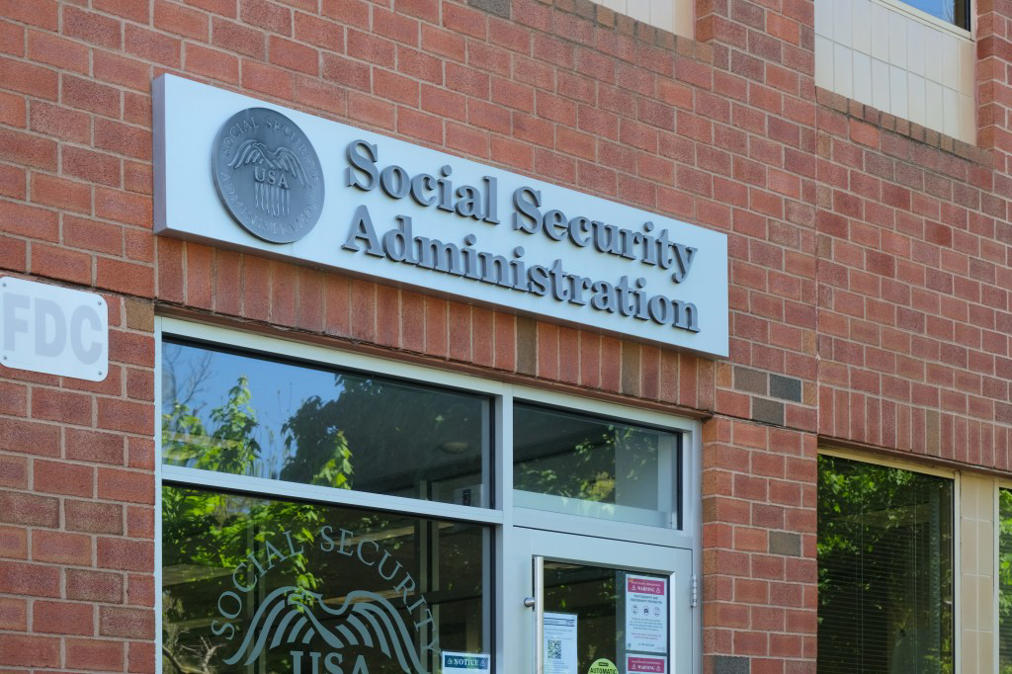
Beginning Saturday, March 7, 2026, the Social Security Administration (SSA) is launching a new nationwide service model designed to modernize how the agency handles appointments, claims processing, and customer service requests.
Instead of relying primarily on local Social Security field offices to handle cases from residents in their area, the new system will allow workloads to be distributed across the entire country, routing cases to available employees regardless of geographic location.
Federal officials say the shift could help reduce delays, improve efficiency, and better manage rising demand as millions of Americans retire each year. But some experts warn the transition could also bring confusion in the early stages as beneficiaries adjust to a new way of interacting with the system.
Here is what the change means, why the government is implementing it now, and how it could affect Social Security recipients.
Why Social Security Is Changing Its Service System
The Social Security Administration manages one of the largest public benefit systems in the world. Each month, the agency sends payments to more than 70 million Americans, including retirees, disabled workers, survivors, and low-income individuals.
Over the past decade, demand for Social Security services has grown significantly. At the same time, the agency has faced budget pressures and staffing reductions.
According to federal data, SSA staffing levels have declined by thousands of employees since the early 2010s, even as the number of beneficiaries has increased.
Social Security Program Snapshot
| Category | Approximate Number |
|---|---|
| Total beneficiaries | ~71 million Americans |
| Retired workers | ~52 million |
| Disabled workers (SSDI) | ~8 million |
| Survivors and family members | ~11 million |
| Supplemental Security Income recipients | ~7 million |
With millions of baby boomers continuing to retire each year, the agency has been looking for ways to handle growing workloads more efficiently.
The new national service model is designed to help address that challenge.
What Exactly Is Changing This Weekend
For decades, Social Security services were organized primarily around local field offices. When beneficiaries contacted SSA or scheduled appointments, their cases were typically handled by staff working in the office serving their geographic area.
Under the new system, that structure will shift.
Instead of local offices managing cases independently, requests will be routed through a centralized national network, allowing the agency to assign work to employees anywhere in the country.
Key Changes Under the New System
| Change | What It Means |
|---|---|
| National workload routing | Cases assigned to staff nationwide rather than only locally |
| Centralized appointment scheduling | Calls and online requests handled through a national system |
| Digital case management | Expanded use of digital tools for processing claims |
| Cross-regional staffing | Employees can assist applicants from any state |
For example, someone applying for retirement benefits in Texas might have their claim reviewed by an SSA employee in Ohio or California if that staff member is available sooner.
Officials say this could help reduce wait times and balance workloads between offices.
How the Change Could Affect Beneficiaries
Most Social Security recipients will not notice any change to their monthly benefit payments, which will continue arriving according to the existing payment schedule.
However, the new system could affect how people interact with the agency when they need assistance.
Situations That May Be Affected
| Situation | Potential Impact |
|---|---|
| Scheduling appointments | Requests routed through national system |
| Filing retirement claims | Applications may be processed by staff in another state |
| Disability claims (SSDI) | Case assignments may shift across regions |
| Updating personal information | Requests handled through centralized service channels |
While local offices will remain open, their staff may no longer handle every case directly for people in their area.
Instead, employees will focus on assisting beneficiaries while the national system distributes work behind the scenes.
Potential Benefits of the New System
Supporters of the change argue that a nationwide service model could help modernize an agency that serves tens of millions of Americans.
Possible Advantages
| Benefit | Explanation |
|---|---|
| Faster service | Work can be assigned to available staff anywhere in the country |
| Reduced backlog | Overloaded offices can shift cases to less busy regions |
| Improved efficiency | Centralized scheduling systems streamline operations |
| Better use of staffing | Allows agency to handle more requests with limited personnel |
Under the previous system, some field offices were overwhelmed with requests while others had lighter workloads.
The new structure aims to balance demand more evenly across the agency.
Concerns Raised by Policy Experts
Despite the potential benefits, some retirement advocates and policy analysts have expressed concerns about the shift away from local case management.
Concerns About the Transition
| Concern | Explanation |
|---|---|
| Loss of local knowledge | Staff may be less familiar with regional issues |
| Temporary disruptions | Large system changes can create short-term confusion |
| Longer call wait times | National systems may face high demand |
| Technology challenges | New platforms sometimes experience technical issues |
Advocates for seniors say the transition will require careful monitoring to ensure beneficiaries do not experience delays when seeking help.
Social Security Payments Will Not Change
Importantly, the new system does not change Social Security benefit payments.
Monthly deposits for retirees, disabled workers, and survivors will continue to follow the standard schedule based on birth dates.
Standard Social Security Payment Schedule
| Birth Date | Payment Day |
|---|---|
| 1st–10th | Second Wednesday of the month |
| 11th–20th | Third Wednesday of the month |
| 21st–31st | Fourth Wednesday of the month |
Recipients who began collecting benefits before May 1997 typically receive payments on the third day of the month.
These payment rules remain unchanged under the new service system.
Other Social Security Changes Happening in 2026
The customer service overhaul is one of several changes affecting the Social Security program this year.
Major Social Security Updates in 2026
| Change | Impact |
|---|---|
| 2.8% COLA increase | Monthly benefits rose to reflect inflation |
| Higher earnings limits | Workers can earn more while collecting benefits |
| Increased taxable wage cap | Higher-income workers pay more payroll tax |
| Nationwide service model | New system for handling appointments and claims |
These updates reflect broader efforts to keep the program functioning efficiently while responding to demographic changes.
Why Demand for Social Security Is Growing
The Social Security system is under increasing pressure as the population ages.
The retirement of the baby boom generation — Americans born between 1946 and 1964 — is creating one of the largest waves of retirement in U.S. history.
Retirement Demographic Trends
| Statistic | Estimate |
|---|---|
| Americans turning 65 each day | ~10,000 |
| Baby boomers expected to retire by 2030 | Nearly all |
| Total beneficiaries expected to grow | Over the next decade |
As more Americans begin claiming benefits, the Social Security Administration must process more retirement claims, disability applications, and service requests.
The nationwide service model is intended to help manage that growing demand.
How Beneficiaries Can Prepare
Although the transition should be largely invisible to many recipients, experts recommend staying informed about how the system works.
Tips for Social Security Beneficiaries
| Recommendation | Why It Helps |
|---|---|
| Use SSA’s online services | Many tasks can be completed without visiting an office |
| Schedule appointments early | Demand may increase during the transition |
| Keep important documents ready | Helps resolve issues quickly |
| Monitor official announcements | SSA may release updates as the system rolls out |
The agency’s website provides tools for managing benefits, replacing Social Security cards, and checking payment information.
The Future of Social Security Services
The nationwide service system represents part of a broader effort to modernize government services.
Federal agencies across the country are increasingly adopting digital tools, centralized systems, and nationwide service models to handle large volumes of requests more efficiently.
For the Social Security Administration, the goal is to ensure the agency can continue serving millions of beneficiaries despite staffing challenges and rising demand.
Whether the transition ultimately improves service will likely depend on how smoothly the new system operates during its first year.
The Bottom Line
A major operational change is taking effect this weekend as the Social Security Administration launches a nationwide service model for handling appointments, claims, and customer requests.
The change is designed to distribute workloads across the country, helping the agency respond more efficiently to the growing number of Americans relying on Social Security.
While monthly benefit payments will remain unchanged, the way beneficiaries interact with the agency may look different as the new system rolls out.
For the more than 70 million Americans who depend on Social Security, understanding these updates can help ensure smoother interactions with the program in the months ahead.