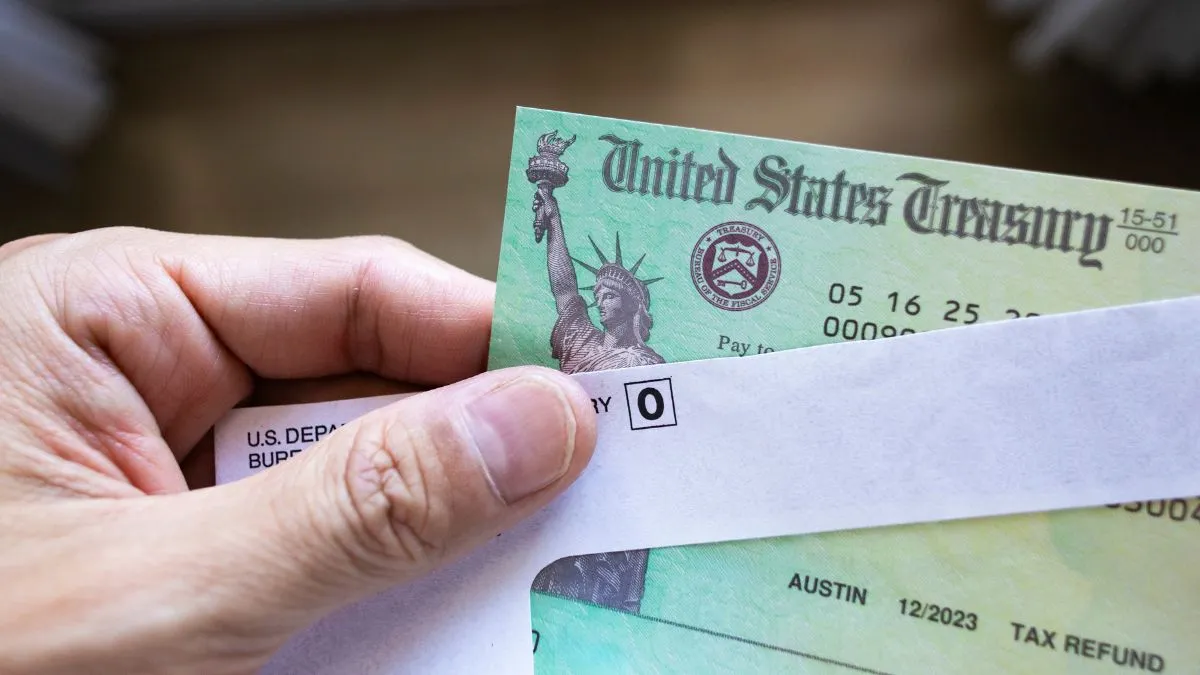
Millions of Americans are set to receive their monthly benefits on Wednesday, March 25, 2026, as the Social Security Administration (SSA) continues its regular payment schedule for retirees, disabled workers, and survivors.
This payment marks the final major Social Security payout for March, completing the agency’s staggered distribution system that ensures benefits are delivered efficiently to more than 70 million recipients nationwide.
Who Gets Paid on March 25, 2026
The SSA has confirmed that payments on March 25 will go to beneficiaries whose:
-
Birthdays fall between the 21st and the 31st of any month
-
And who began receiving benefits after May 1997
This group includes:
-
Retired workers receiving Social Security
-
Social Security Disability Insurance (SSDI) recipients
-
Survivor beneficiaries
For most recipients, payments will be delivered through direct deposit, meaning funds should appear in bank accounts on the scheduled date.
Social Security Payment Schedule — March 2026
The SSA distributes payments across three Wednesdays each month based on birth dates.
| Birth Date Range | Payment Date | Status |
|---|---|---|
| 1st – 10th | March 11, 2026 | Paid |
| 11th – 20th | March 18, 2026 | Paid |
| 21st – 31st | March 25, 2026 | Final payment |
This system allows the SSA to manage payments smoothly and avoid delays.
Who Does Not Receive Payments on March 25
Not all Social Security beneficiaries are included in the March 25 payment group.
You will not receive a payment on this date if:
-
Your birthday falls between the 1st and 20th (already paid earlier)
-
You started receiving benefits before May 1997
-
You receive Supplemental Security Income (SSI)
These groups follow different payment schedules.
Early-Month Payment Groups
Some beneficiaries receive their payments earlier in the month.
| Group | Payment Date | Explanation |
|---|---|---|
| SSI recipients | February 27, 2026 | March 1 fell on a weekend |
| Benefits before May 1997 | March 3, 2026 | Fixed early payment schedule |
| Dual SSI + Social Security | March 3, 2026 | Combined payment rule |
SSI payments are typically issued on the first day of the month, but when that date falls on a weekend or holiday, payments are sent earlier.
Why Social Security Payments Are Staggered
The SSA uses a staggered payment system to handle the scale of the program.
More than 70 million Americans receive Social Security benefits each month. By spreading payments across different dates, the agency can:
-
Reduce pressure on banking systems
-
Ensure accurate processing
-
Deliver payments on time
The system has been in place for decades and is designed to provide reliable and consistent benefit delivery.
How Much Social Security Pays in 2026
For many retirees, Social Security is a primary source of income.
In 2026:
-
The average monthly retirement benefit is just over $2,000
-
Payments vary depending on:
-
Lifetime earnings
-
Age when benefits are claimed
-
Work history
-
Cost-of-living adjustments (COLA)
-
Workers who delay claiming benefits until later ages typically receive higher monthly payments.
How Payments Are Delivered
Most Social Security payments are made electronically.
Common methods include:
-
Direct deposit (most common)
-
Direct Express debit card
-
Paper checks (less common)
Direct deposit allows beneficiaries to receive funds quickly and securely on the scheduled payment date.
What to Do If Your Payment Is Late
If your payment does not arrive on March 25, the SSA recommends:
-
Wait at least three business days
-
Check your bank account or payment method
-
Log into your my Social Security account
-
Contact the SSA if necessary
Most delays are due to banking processing times rather than missing payments.
The Bottom Line
The March 25, 2026 Social Security payment is the final major payout of the month and applies to beneficiaries whose birthdays fall between the 21st and 31st and who began receiving benefits after May 1997.
For millions of Americans, these payments provide essential financial support and help cover everyday expenses.
Understanding the Social Security payment schedule can help beneficiaries stay informed and manage their finances with confidence.