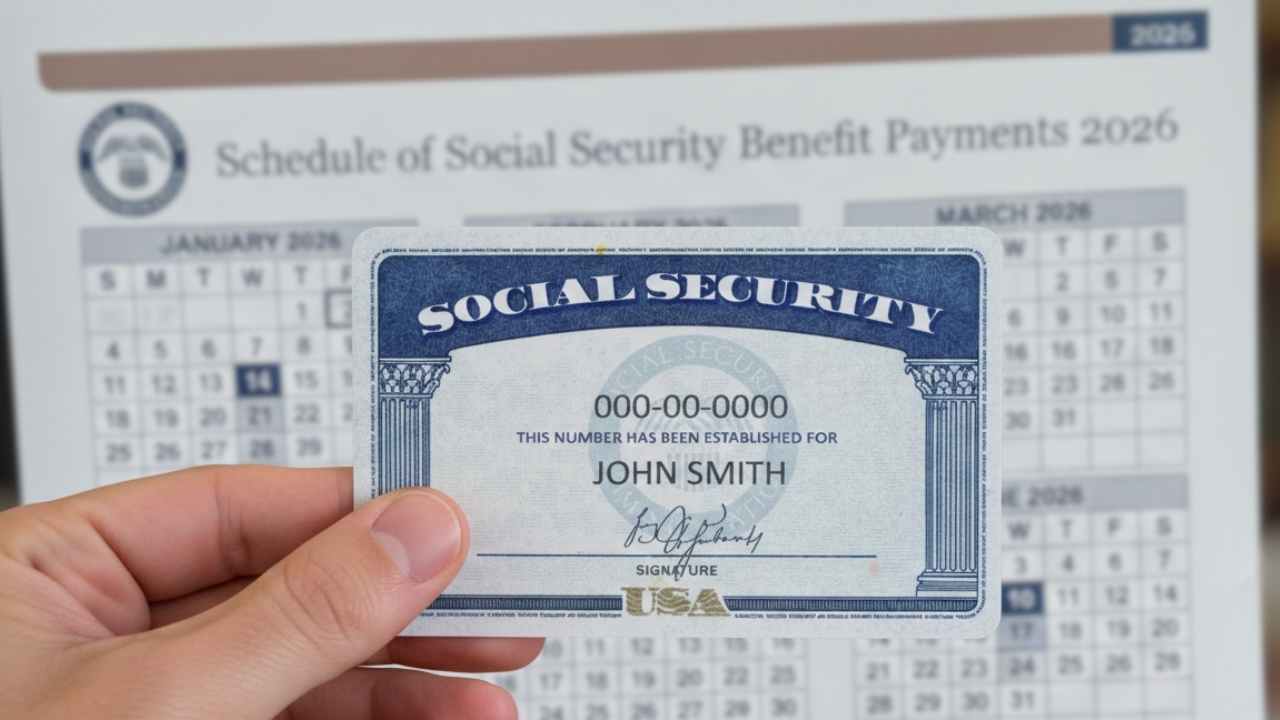
Millions of Americans who depend on monthly benefits can now plan ahead for April. The Social Security Administration (SSA) has confirmed both the official payment schedule and updated benefit amounts for April 2026, providing clarity for retirees, disabled workers, and low-income beneficiaries across the country.
With more than 70 million Americans receiving Social Security or Supplemental Security Income (SSI), understanding exactly when payments arrive — and how much to expect — is essential for managing everyday expenses.
The Five Social Security Payment Dates in April 2026
Unlike some months, April 2026 includes five distinct payment dates, covering all beneficiary groups.
| Payment Date | Group | Who Gets Paid |
|---|---|---|
| April 1, 2026 | SSI | Supplemental Security Income recipients |
| April 3, 2026 | Early SSA | Benefits started before May 1997 |
| April 8, 2026 | Group 1 | Birthdays 1st–10th |
| April 15, 2026 | Group 2 | Birthdays 11th–20th |
| April 22, 2026 | Group 3 | Birthdays 21st–31st |
This staggered system helps the SSA efficiently process payments while reducing strain on banking systems.
How the Social Security Payment System Works
The Social Security Administration does not send all payments at once. Instead, it divides recipients into groups based on:
- Date of birth
- When benefits began (before or after May 1997)
- Type of benefit (SSI vs. standard Social Security)
This structure ensures reliable delivery of funds to millions of Americans each month.
Who Gets Paid on Each Date
April 1 — SSI Recipients
Supplemental Security Income (SSI) is a needs-based program designed for:
- Adults age 65 or older
- Individuals who are blind or disabled
- People with limited income and resources
SSI payments are typically issued on the first of the month, making April 1 the first confirmed payment date.
April 3 — Early Social Security Group
Recipients who began receiving benefits before May 1997 are paid on April 3.
This group follows an older payment system and does not use the Wednesday schedule.
April 8 — Birthdays 1st–10th
Beneficiaries whose birthdays fall between the 1st and 10th receive payments on the second Wednesday of the month.
April 15 — Birthdays 11th–20th
Recipients with birthdays between the 11th and 20th are paid on the third Wednesday.
April 22 — Birthdays 21st–31st
The final payment date of the month is April 22, covering those with birthdays between the 21st and 31st.
Social Security Benefit Amounts in 2026
The SSA has also confirmed updated benefit levels following a 2.8% cost-of-living adjustment (COLA) for 2026.
Average Monthly Benefits
| Category | Average Monthly Benefit |
|---|---|
| Retired workers | ~$2,070 |
| Disabled workers (SSDI) | ~$1,540 |
| Survivors | ~$1,500 |
| SSI recipients | ~$700–$950 |
The COLA increase reflects ongoing inflation and is intended to help beneficiaries maintain purchasing power.
Maximum Social Security Benefits in 2026
While most retirees receive average payments, higher-income workers may qualify for significantly larger benefits.
| Retirement Age | Maximum Monthly Benefit |
|---|---|
| 62 | ~$2,969 |
| 67 (Full Retirement Age) | ~$4,152 |
| 70 | ~$5,181 |
To receive the maximum benefit, individuals must:
- Earn at or above the Social Security wage cap for many years
- Work at least 35 years
- Delay claiming benefits until age 70
Why Payment Timing Matters
For many Americans, Social Security is not just supplemental income — it is essential.
Monthly benefits help cover:
- Housing costs
- Food and groceries
- Medical care and prescriptions
- Utilities and transportation
Because of this, knowing the exact payment date can help retirees avoid financial disruptions.
How Payments Are Delivered
Most Social Security payments are issued electronically.
Payment methods include:
- Direct deposit (fastest and most common)
- Direct Express debit card
- Paper checks (used less frequently)
Payments are typically available on the morning of the scheduled date, though timing may vary slightly depending on the bank.
What to Do If Your Payment Is Late
Social Security payments are generally reliable, but delays can occasionally occur.
If your payment does not arrive on time:
- Wait at least three business days
- Check your bank account or payment card
- Log into your my Social Security account
- Contact the SSA if necessary
Most delays are related to banking processing times rather than missing payments.
Common Misunderstandings About Social Security Payments
In recent months, confusion has spread online regarding Social Security payments being labeled as “stimulus checks.”
It’s important to clarify:
- These are regular monthly benefits
- There is no federal stimulus payment scheduled for April 2026
- Payment dates are part of a long-standing SSA system
The Role of Social Security in Retirement
Social Security remains one of the most important financial programs in the United States.
Today:
- Over 70 million Americans receive benefits
- Many retirees rely on Social Security for most of their income
- The program plays a major role in reducing poverty among older Americans
Even with rising costs, Social Security continues to provide a stable financial foundation for millions of households.
Looking Ahead
While April’s payment schedule is confirmed, the future of Social Security remains a topic of national discussion.
Experts have warned that the program may face funding challenges in the coming decade, potentially requiring changes to:
- Benefit structures
- Retirement age
- Payroll taxes
For now, however, beneficiaries can expect consistent payments according to the April 2026 schedule.
The Bottom Line
The Social Security payment schedule for April 2026 includes five confirmed dates, ensuring all beneficiary groups receive their payments on time.
- April 1 — SSI recipients
- April 3 — Early Social Security beneficiaries
- April 8 — Birthdays 1–10
- April 15 — Birthdays 11–20
- April 22 — Birthdays 21–31
With average benefits now exceeding $2,000 per month, these payments remain a critical source of income for millions of Americans.
Understanding when your payment arrives — and how much to expect — is key to maintaining financial stability in retirement.