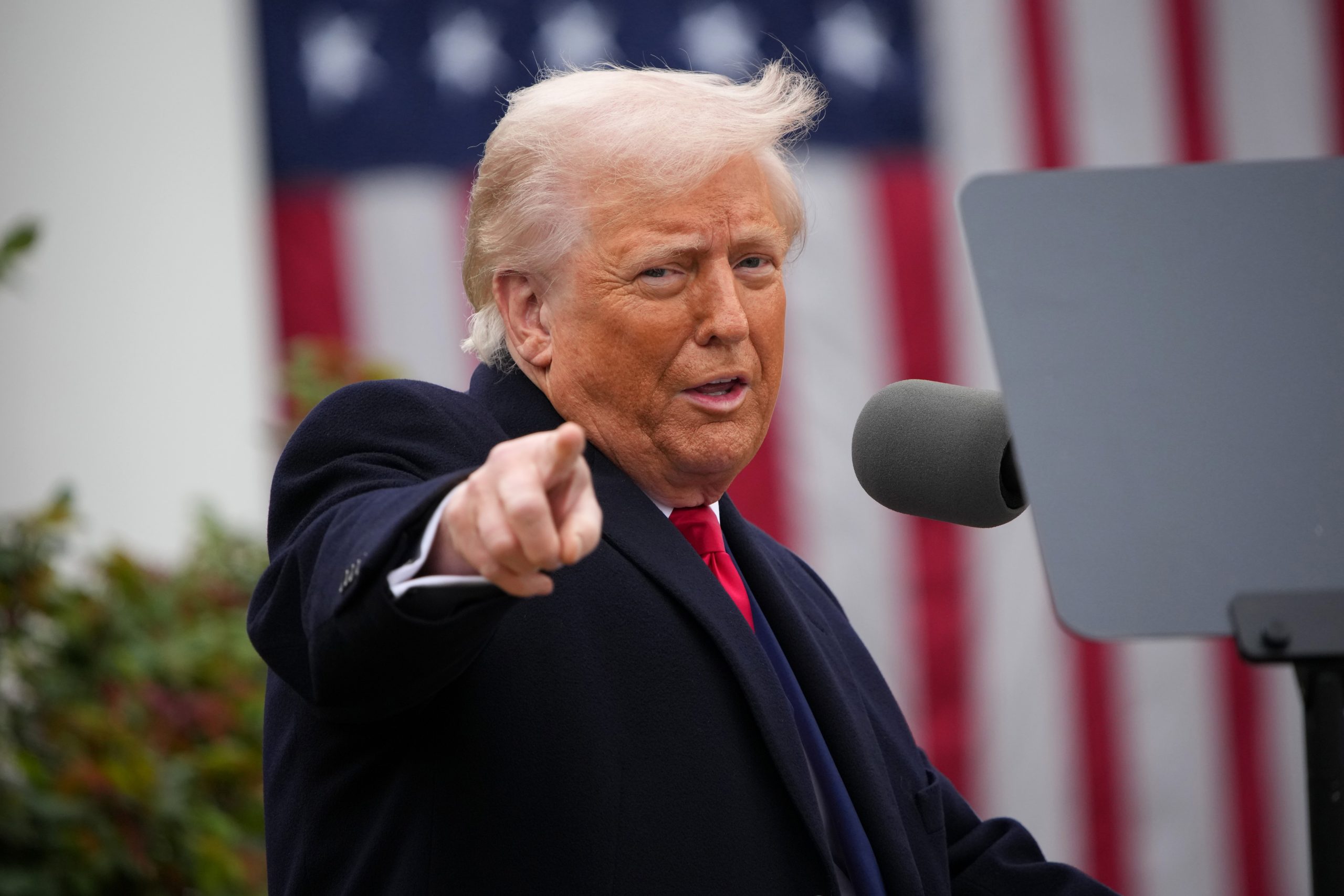
The political firestorm surrounding former President Donald Trump’s comments about Black voter representation did not end with the media backlash.
If anything, critics say his response simply exposed what has already been unfolding inside state capitols across America for years.
Across multiple Republican-led legislatures, battles over congressional maps, voting access, and district boundaries have intensified heading into the 2026 election cycle — and civil rights organizations argue the pattern is impossible to ignore.
For many voting-rights advocates, Trump’s remarks were not shocking because they were new.
They were shocking because they sounded familiar.
The Statehouse Strategy Critics Say Was Already Underway
Long before Trump’s latest comments generated headlines, legal fights over representation were already dominating courtrooms and legislative chambers nationwide.
Civil rights groups argue that Republican lawmakers in several states have repeatedly pursued district maps that weaken the political influence of Black communities while protecting GOP power.
Republican officials reject that accusation, insisting redistricting is a constitutional responsibility carried out after every census and that both political parties engage in strategic map drawing.
Still, critics point to a growing number of federal court interventions as evidence that the concerns are far from theoretical.
The States at the Center of the Fight
| State | Core Dispute | Current Status |
|---|---|---|
| Alabama | Black voters challenged congressional maps under the Voting Rights Act | Federal courts ordered revised district maps |
| Louisiana | Disputes over majority-Black congressional districts | Ongoing appeals and legal reviews |
| Georgia | Lawsuits over legislative and congressional district boundaries | Multiple voting-rights cases remain active |
| Texas | Minority vote dilution allegations in fast-growing urban areas | Federal litigation continues |
| Florida | Challenges over dismantled Black-performing districts | Courts continue reviewing map legality |
The legal battles largely center on whether state lawmakers intentionally diluted minority voting power by dividing heavily Black communities across multiple districts or concentrating voters in ways that reduce broader influence.
Voting-rights advocates say the result is fewer districts where Black voters can realistically elect candidates of their choice.
Why Redistricting Became Such a Powerful Political Weapon
Redistricting determines how political boundaries are drawn after census population updates.
Those maps influence:
- Which party controls congressional seats
- Minority voting power
- Electoral competitiveness
- State legislative majorities
- Federal policy direction
- Long-term national political balance
Because congressional control in Washington often depends on only a handful of seats, even small district changes can have enormous consequences.
That is why the fight over maps has become one of the most aggressive political battles in modern American politics.
Critics Say Trump’s Comments Reinforced Existing Concerns
Trump’s defenders argued the former president was simply discussing election strategy and legal representation standards.
But opponents viewed the remarks differently.
Several Democratic lawmakers accused Trump of effectively acknowledging what civil rights groups have warned about for years: that representation battles are not accidental side effects of politics but deliberate power struggles.
Some voting-rights advocates said the comments sounded less like a defense and more like a confirmation.
That interpretation spread rapidly across social media and political commentary following the exchange.
Republicans Push Back Hard
Republican officials and conservative legal groups strongly rejected accusations that Black voting power is being intentionally targeted.
GOP leaders argue:
- Redistricting is inherently political for both parties
- Democrats use aggressive map-drawing tactics in blue states
- Race cannot legally become the dominant factor in district creation
- Courts should not force states into unconstitutional racial quotas
Conservatives also point to increasing Republican support among some minority voters in recent election cycles, arguing political preferences cannot simply be assumed based on race.
The Voting Rights Act Remains at the Center
Much of the legal conflict revolves around the Voting Rights Act of 1965, one of the most important civil rights laws in American history.
The law was originally designed to prevent racial discrimination in voting following decades of disenfranchisement across the South.
However, Supreme Court rulings over the past decade have weakened portions of the law that once required certain states with histories of discrimination to receive federal approval before changing election rules.
Civil rights groups argue those changes opened the door for more aggressive redistricting battles.
Republicans counter that states deserve greater constitutional authority over elections without federal overreach.
Why 2026 Could Become a Turning Point
Political analysts say the stakes surrounding representation battles are especially high ahead of the 2026 midterm elections.
Several closely divided House races may ultimately be shaped by district boundaries currently under legal review.
At the same time:
- Population shifts continue reshaping urban and suburban districts
- Minority communities are growing in several Southern states
- Courts remain divided on how aggressively the Voting Rights Act should be enforced
- Both parties are investing heavily in state-level election infrastructure
That combination has turned state legislatures into some of the most important political battlegrounds in America.
Civil Rights Groups Warn the Fight Is Far From Over
Organizations focused on voting rights say the current disputes are part of a much larger national struggle over representation, political access, and democratic participation.
Many advocates believe future Supreme Court decisions could permanently reshape how minority voting protections are enforced for the remainder of the decade.
Some groups are already preparing for additional lawsuits tied to:
- Congressional maps
- State legislative districts
- Mail voting restrictions
- Voter ID laws
- Election administration rules
Meanwhile, Republican lawmakers argue they are defending election integrity and constitutional authority against what they describe as politically motivated litigation.
SHARE YOUR THOUGHTS
Do you believe voting maps are being used fairly — or politically?
The debate over representation, district boundaries, and voting power is expected to become one of the biggest political battles heading into the 2026 elections.
👉 Read the full breakdown on our website through the link in the comments.
Bottom Line
Trump’s comments reignited national debate over Black voter representation, but the deeper conflict has been unfolding inside statehouses for years.
The legal and political battles over district maps, voting rights, and minority representation are now among the most consequential fights shaping American elections heading into 2026.
And with courts, legislatures, and political parties all locked into the conflict, the debate over who holds power — and how representation is defined — is only expected to intensify in the months ahead.