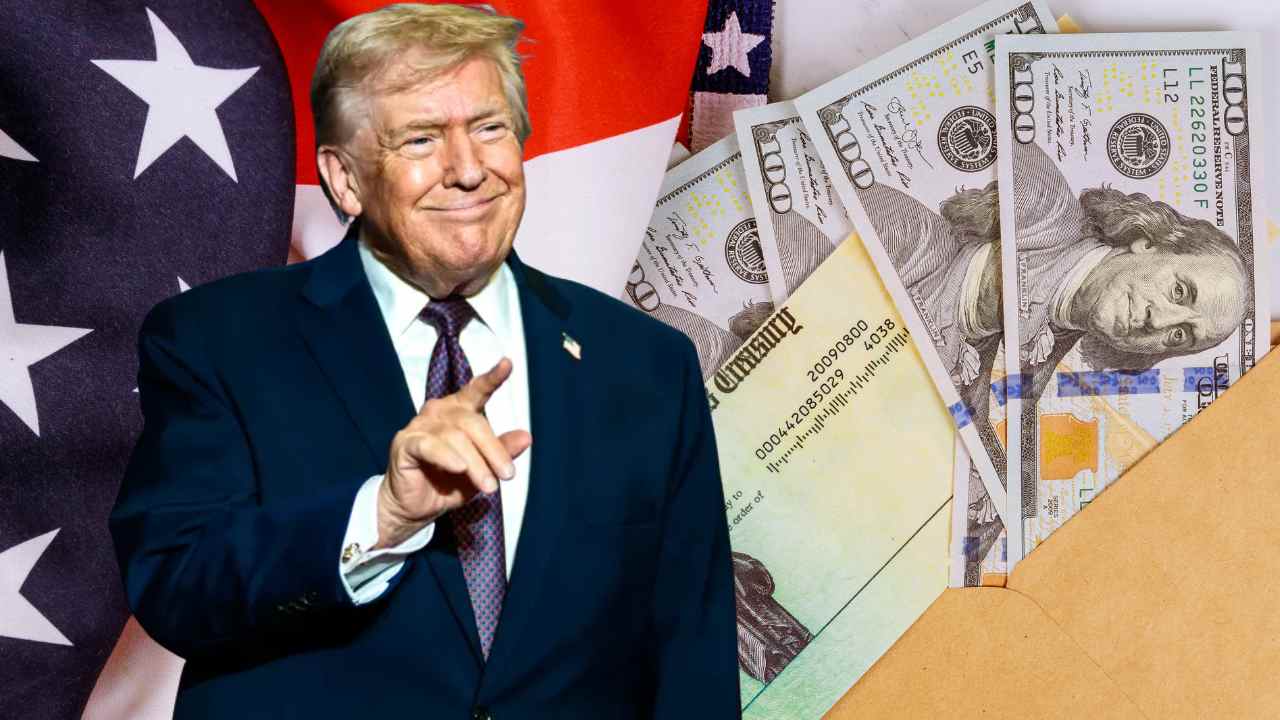
The possibility of new $2,000 direct payments is once again making headlines after President Donald Trump suggested that Americans could potentially receive checks by mid-2026.
The proposal, often referred to as a “tariff dividend,” would use revenue generated from import tariffs to fund direct payments to eligible Americans. While the idea has sparked excitement among taxpayers, it remains a proposal and has not yet been approved by Congress.
With millions of Americans struggling to keep up with rising costs for housing, groceries, healthcare, and utilities, many are asking the same question: Could $2,000 checks really be coming next year?
Here’s the latest update.
What Are the Proposed $2,000 Payments?
The proposal centers around the idea of using federal tariff revenue to fund direct payments to American households.
Tariffs are taxes imposed on imported goods entering the United States. The government collects this revenue from businesses importing products from overseas.
Under the concept being discussed, a portion of that revenue could eventually be distributed directly to eligible Americans in the form of one-time payments.
Trump has described the idea as a way to allow American families to share in the economic benefits generated by trade policies and tariff collections.
Why Is the Proposal Receiving Attention?
Americans continue facing elevated costs for:
- Housing
- Groceries
- Utilities
- Healthcare
- Transportation
- Insurance
As inflation and living expenses remain concerns for many households, any proposal involving direct payments naturally attracts public interest.
For many families, a $2,000 payment could help cover:
- Rent or mortgage payments
- Credit card balances
- Utility bills
- Medical expenses
- Emergency savings
The proposal has therefore become one of the most discussed economic ideas currently being debated.
Could Payments Really Arrive by Mid-2026?
President Trump recently suggested that payments could potentially arrive sometime around the middle of 2026.
However, several important steps would need to occur before any money could be distributed.
Currently:
✅ The proposal has been publicly discussed.
✅ Administration officials have expressed interest in the concept.
❌ Congress has not approved a payment program.
❌ No federal legislation authorizing the checks has been passed.
❌ No official payment date has been announced.
❌ No final eligibility rules exist.
As a result, any timeline remains speculative until formal legislation is enacted.
Who Could Qualify?
Although no official eligibility requirements have been approved, discussions surrounding the proposal have focused on moderate- and middle-income households.
Potential qualifying groups could include:
Individual Taxpayers
Workers who file federal tax returns could potentially qualify depending on income thresholds.
Married Couples
Joint filers may receive larger household payments if a program is approved.
Families With Children
Some proposals could include additional payments for dependents, though no final details exist.
Moderate-Income Households
Administration officials have discussed targeting payments toward families below certain income limits.
However, no final eligibility list has been released.
How Would the Program Be Funded?
The proposed funding source would be tariff revenue collected by the federal government.
Supporters argue that:
- Tariffs generate billions of dollars annually.
- A portion of those revenues could be redirected to taxpayers.
- Americans should directly benefit from trade-related revenue collections.
Critics argue that:
- Tariff revenue may not be sufficient to support large nationwide payments.
- Funding requirements could be much larger than expected.
- Economic consequences must be carefully evaluated.
The debate continues among economists and policymakers.
What Would Congress Need to Do?
Before any payments can be issued, Congress would likely need to:
Pass Legislation
Lawmakers would need to create and approve a payment program.
Establish Funding Rules
Congress would need to determine exactly how payments would be financed.
Define Eligibility
Income limits and qualification requirements would need to be finalized.
Authorize Distribution
Federal agencies would need legal authority to issue payments.
Without congressional action, checks cannot be distributed.
What Are Experts Saying?
Economists remain divided.
Some believe direct payments could:
- Boost consumer spending
- Provide short-term financial relief
- Help households manage rising costs
Others warn that:
- Large-scale payments may increase federal spending pressures.
- Funding questions remain unresolved.
- Inflation concerns could emerge depending on program design.
As a result, analysts continue debating both the economic benefits and potential drawbacks.
Could This Become Another Stimulus Check?
Many Americans compare the proposal to pandemic-era stimulus payments.
However, there are important differences.
COVID-era stimulus programs were funded through emergency federal spending legislation.
The current proposal would instead rely primarily on tariff-related revenue sources.
For now, the proposal remains separate from previous stimulus programs.
What Should Americans Do Now?
At this stage:
- No application process exists.
- No official payment portal has been created.
- No checks have been approved.
- No payment dates have been scheduled.
Americans should be cautious about rumors circulating online and rely on official government announcements for updates.
Bottom Line
President Trump’s proposed $2,000 payments continue generating interest as discussions about tariff-funded direct payments move forward. While the president has suggested checks could arrive by mid-2026, the proposal remains in the discussion phase and faces several legislative and financial hurdles before becoming reality.
For now, no payments have been approved, no eligibility rules have been finalized, and no official distribution schedule exists. Americans interested in the proposal should monitor future announcements from Congress and federal officials as the debate continues.