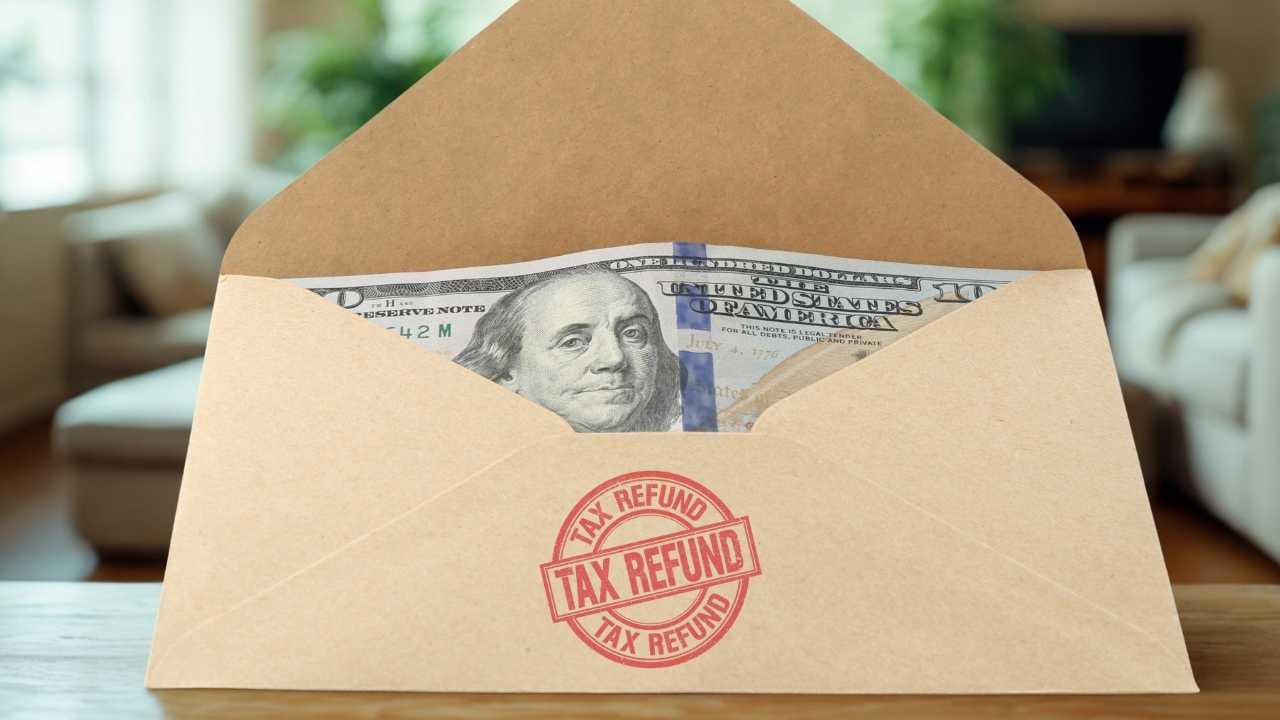
Millions of Americans who paid tax penalties and interest during the COVID-19 pandemic could be entitled to refunds from the Internal Revenue Service (IRS), thanks to a legal dispute that has become one of the most closely watched tax developments of 2026.
Taxpayer advocates estimate that tens of millions of individuals and businesses may be affected. In some cases, refunds could amount to hundreds, thousands, or even tens of thousands of dollars depending on the size of the penalties and interest paid during the pandemic years.
The issue is not related to stimulus checks or new government relief payments. Instead, it centers on whether the IRS began charging certain penalties and interest too early while COVID-era disaster relief measures were still in effect.
How Did This Situation Begin?
During the COVID-19 pandemic, the federal government issued a series of emergency declarations that provided tax relief to millions of Americans.
The IRS postponed numerous filing and payment deadlines between 2020 and 2023 as businesses shut down, workers lost jobs, and taxpayers faced unprecedented disruptions.
Many taxpayers assumed that penalties and interest would not begin until those extended deadlines expired. However, the IRS continued assessing some penalties and interest under its interpretation of existing tax laws.
That interpretation was later challenged in court.
The Court Case Behind the Refunds
The controversy gained national attention after a federal court ruling in Kwong v. United States.
The court determined that COVID-related disaster relief may have delayed the date when certain IRS penalties and interest could legally begin accumulating.
As a result, some taxpayers may have paid charges that should not have been assessed during the relief period.
The decision opened the door for potentially millions of refund claims from taxpayers who paid those amounts.
While the ruling does not automatically guarantee refunds for everyone, it created a pathway for taxpayers to seek repayment of money that may have been improperly collected.
Who Could Be Eligible?
Tax experts say eligibility may apply to taxpayers who:
Paid Late-Filing Penalties
Many taxpayers who missed filing deadlines during the pandemic were charged penalties.
Paid Late-Payment Penalties
Taxpayers who owed money but did not pay immediately may have accumulated additional charges.
Paid Interest on Tax Balances
Interest often continued growing alongside penalties.
Filed During the COVID Relief Period
The issue primarily affects penalties and interest associated with returns filed during the pandemic years and the emergency relief period.
Potentially affected taxpayers include:
- Individual taxpayers
- Married couples filing jointly
- Self-employed workers
- Gig economy workers
- Small business owners
- Partnerships
- Trusts and estates
- Certain corporations
According to taxpayer advocates, the number of potentially eligible taxpayers could reach into the tens of millions.
How Much Money Could Taxpayers Receive?
There is no standard refund amount because each taxpayer’s situation is different.
The amount depends on:
- The size of the original tax bill
- The penalties charged
- The interest assessed
- How long the balance remained unpaid
- The tax years involved
Estimated Examples
| Penalties and Interest Paid | Potential Refund |
|---|---|
| $300 | Up to $300+ |
| $750 | Up to $750+ |
| $1,500 | Up to $1,500+ |
| $5,000 | Up to $5,000+ |
| $10,000 | Up to $10,000+ |
Some business owners who accumulated substantial penalties during the pandemic may have even larger potential claims.
Why This Could Cost the Government Billions
Taxpayer advocates have warned that the total amount at stake could reach billions of dollars nationwide.
The National Taxpayer Advocate estimated that millions of taxpayers may have viable refund claims stemming from COVID-era penalty and interest assessments.
If large numbers of taxpayers qualify and successfully obtain refunds, the total financial impact on the federal government could be substantial.
How Taxpayers Could Check Eligibility
Tax professionals recommend reviewing:
IRS Account Transcripts
These records show penalties and interest assessed on specific tax years.
Prior Tax Returns
Reviewing returns from 2019 through 2023 may help identify potentially affected periods.
IRS Notices
Many taxpayers received notices detailing penalties and interest charged during the pandemic.
Professional Tax Advice
Because eligibility depends on individual circumstances, some taxpayers may benefit from consulting a CPA, enrolled agent, or tax attorney.
Why Many Americans Never Heard About This
Unlike stimulus payments, which were widely publicized, these potential refunds stem from a technical legal dispute involving IRS procedures.
As a result, many taxpayers remain unaware that they may have been affected.
Taxpayer advocates have repeatedly expressed concern that millions of eligible taxpayers could miss opportunities to recover money simply because they never learned about the issue.
Important Difference Between These Refunds and Stimulus Checks
One of the biggest misconceptions is that these refunds are another round of COVID stimulus payments.
They are not.
These Refunds Are:
✅ Related to IRS penalties and interest
✅ Based on a court ruling
✅ Available only to potentially affected taxpayers
These Refunds Are Not:
❌ New stimulus checks
❌ Universal payments
❌ Available to everyone
❌ Automatic payments sent to all taxpayers
Eligibility depends entirely on whether the taxpayer paid penalties or interest that may have been improperly assessed during the relief period.
What Happens Next?
Tax experts expect continued litigation and IRS guidance regarding the issue.
Some claims may be approved quickly, while others could require additional review.
The IRS may also issue future guidance clarifying eligibility requirements and processing procedures.
Because tax laws and court rulings can change, affected taxpayers should monitor official IRS announcements and consult professionals when necessary.
Bottom Line
A little-known COVID-era tax dispute has created the possibility of refunds for millions of Americans who paid IRS penalties and interest during the pandemic. Depending on individual circumstances, refunds could range from a few hundred dollars to several thousand dollars. While these payments are not stimulus checks, they may represent a significant financial opportunity for taxpayers who were affected by IRS penalty and interest assessments during the COVID emergency years.