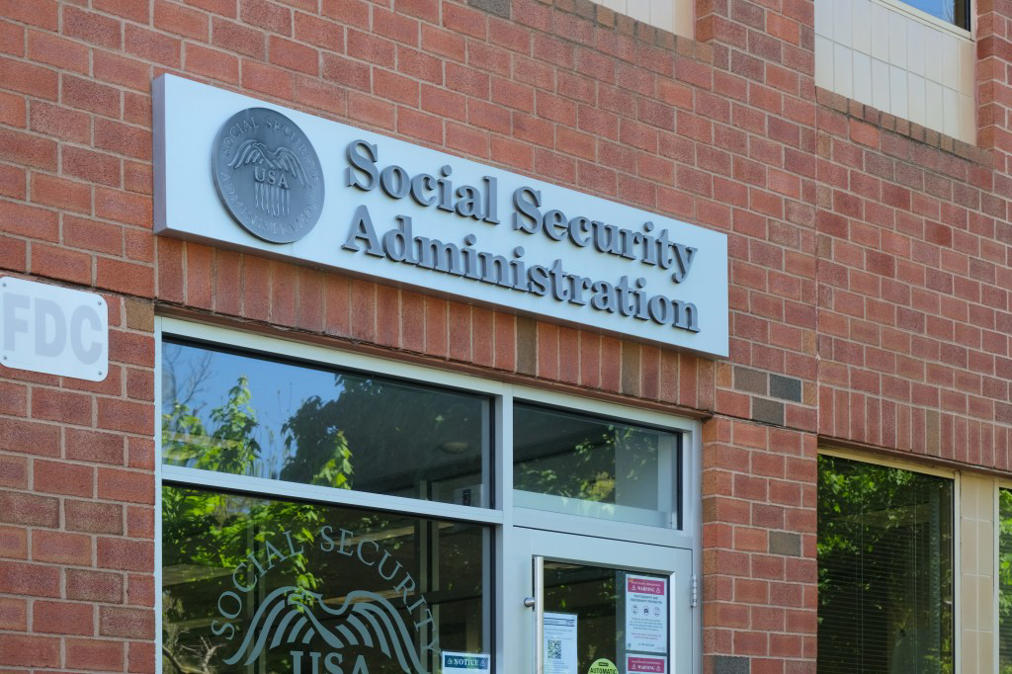
WASHINGTON, D.C. — Social Security has weathered major financial challenges before, and history may offer clues about how lawmakers could respond to the program’s latest funding concerns.
Today, policymakers are once again debating how to strengthen Social Security’s finances as projections show the retirement trust fund could face a shortfall in the early 2030s if Congress does not act. While no comprehensive reform plan has been approved, many of the ideas now under discussion resemble measures adopted more than four decades ago.
The question is whether strategies that worked in 1983 can still address the program’s financial pressures in today’s economy.
The 1983 Reform That Changed Social Security
In the early 1980s, Social Security faced a serious financing crisis. Lawmakers from both political parties ultimately reached a bipartisan agreement that became known as the Social Security Amendments of 1983.
The legislation introduced several significant changes intended to strengthen the program’s finances over the long term.
Among the most important reforms were:
- Gradually increasing Social Security payroll taxes.
- Raising the full retirement age for future retirees.
- Making a portion of Social Security benefits taxable for certain higher-income beneficiaries.
- Adjusting benefit rules to improve the program’s long-term stability.
Those changes helped extend Social Security’s financial outlook for decades and are widely viewed as one of the most significant retirement policy reforms in U.S. history.
Why Is Social Security Facing Another Challenge?
Although the 1983 legislation strengthened the program, demographic trends have changed substantially over the past four decades.
Several factors have contributed to today’s funding concerns:
- Americans are living longer and collecting benefits for more years.
- The large Baby Boomer generation has entered retirement.
- Birth rates have declined, leaving fewer workers paying payroll taxes relative to the number of beneficiaries.
- Wage and population growth have not matched some of the long-term assumptions made during earlier reform efforts.
According to the latest Social Security Trustees Report, the retirement trust fund is projected to face a funding shortfall around 2032 if Congress does not approve new legislation.
That does not mean Social Security would stop paying benefits. Payroll taxes would continue to fund much of the program, but scheduled benefits could be reduced under current law if trust fund reserves are exhausted.
Familiar Ideas Are Back on the Table
Many proposals currently being discussed closely resemble reforms considered in the past.
Increasing Payroll Tax Revenue
One option would increase the amount of money flowing into Social Security by:
- Raising the payroll tax rate.
- Increasing or eliminating the maximum amount of wages subject to Social Security taxes.
- Expanding taxable earnings for higher-income workers.
Supporters argue that additional revenue could help close much of the program’s long-term funding gap.
Raising the Full Retirement Age
Another frequently discussed proposal would gradually increase the full retirement age for younger generations.
Because workers claiming benefits before reaching full retirement age receive reduced monthly payments, raising that age would effectively lower lifetime benefits for many future retirees unless they choose to work longer.
Most proposals under discussion would not affect people already receiving benefits or those close to retirement.
Adjusting Benefits for Higher Earners
Some lawmakers have also suggested slowing the growth of future benefits for higher-income retirees while maintaining stronger protections for lower-income beneficiaries.
Advocates say this approach could improve the program’s finances while preserving Social Security’s role as a retirement safety net.
Congress Has Not Chosen a Path
Despite years of discussion, Congress has not agreed on a comprehensive reform package.
Some lawmakers favor raising additional revenue through taxes, while others prefer limiting future spending growth. Many retirement experts believe the eventual solution could include elements of both approaches, similar to the bipartisan compromise reached in 1983.
Any significant changes would require congressional approval and the president’s signature before taking effect.
What Current Retirees Should Know
For Americans already receiving Social Security retirement, disability, or survivor benefits, nothing changes today.
Monthly payments continue according to the regular schedule, and Congress has not enacted legislation reducing current benefits.
The ongoing debate focuses on strengthening the program’s finances for future decades rather than making immediate changes to today’s beneficiaries.
Bottom Line
The reforms passed in 1983 helped stabilize Social Security for many years, but changing demographics have created new financial challenges. As Congress considers how to strengthen the program before the projected trust fund shortfall in the early 2030s, many of the ideas under discussion—including higher payroll taxes, changes to the retirement age, and adjustments for higher-income beneficiaries—echo the bipartisan solutions adopted more than 40 years ago. Whether lawmakers can reach another broad agreement remains one of the biggest questions facing the future of Social Security.