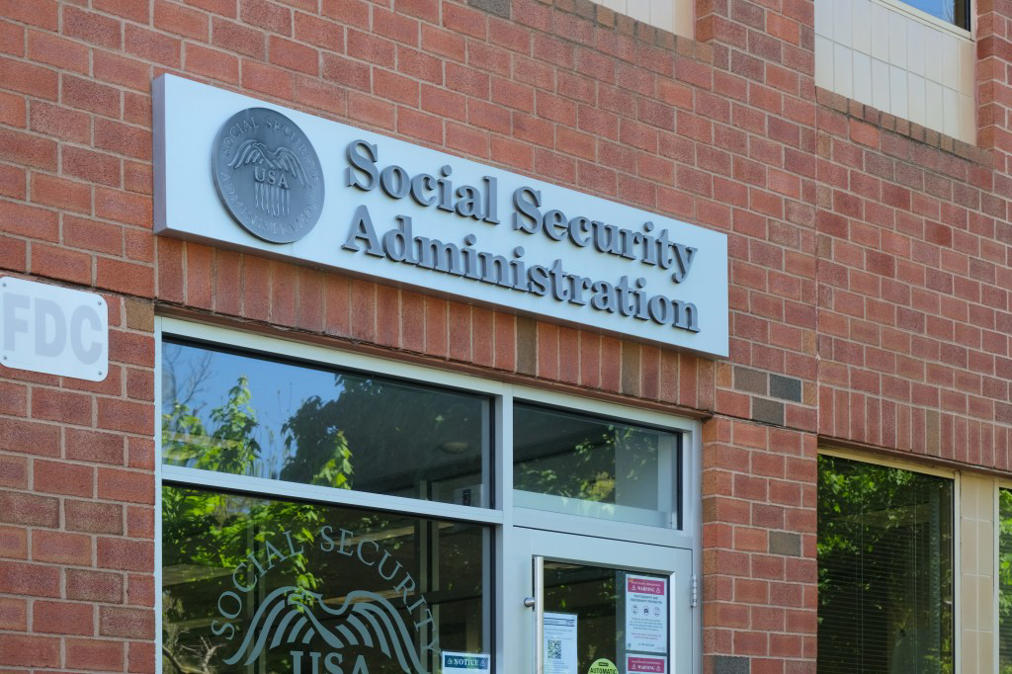
For millions of Americans who depend on Social Security, the annual Cost-of-Living Adjustment (COLA) is one of the most closely watched financial announcements of the year. Even a modest percentage increase can affect household budgets, especially for retirees living on fixed incomes.
As inflation continues to influence everyday expenses, many beneficiaries are wondering when they will finally learn how much their monthly checks could increase in 2027.
While several organizations have already released projections, the official answer will come directly from the Social Security Administration (SSA) later this year.
Here’s what retirees should know about the timeline, how the COLA is calculated, and why current estimates continue to change.
Why the COLA Is So Important
The annual Cost-of-Living Adjustment is designed to help Social Security benefits keep pace with inflation.
Without periodic adjustments, retirees could gradually lose purchasing power as prices for housing, food, healthcare, transportation, and other essentials continue to rise.
The COLA does not provide an extra bonus or reward. Instead, it attempts to preserve the value of monthly benefits as the cost of living changes over time.
For beneficiaries who rely heavily on Social Security income, even a small adjustment can make a noticeable difference over an entire year.
How the Social Security Administration Calculates the COLA
Unlike many government programs, the Social Security COLA follows a specific formula established by law.
Each year, the SSA compares inflation during the third quarter—July, August, and September—with inflation during the same period one year earlier.
The calculation uses the Consumer Price Index for Urban Wage Earners and Clerical Workers (CPI-W), an inflation measure published monthly by the U.S. Bureau of Labor Statistics.
If prices have increased, beneficiaries generally receive a corresponding adjustment beginning in January of the following year.
Because the formula depends on third-quarter inflation, no official COLA can be determined until all three monthly inflation reports have been released.
Why Current Estimates Are Only Projections
Throughout the summer, financial analysts and retirement organizations publish estimates based on the latest available inflation data.
These projections help retirees understand possible outcomes, but they are not official.
Inflation can change significantly from one month to the next.
A sudden increase in fuel prices, food costs, or housing expenses could push estimates higher, while slowing inflation could lower projected increases.
Until all required data become available, forecasts remain educated estimates rather than confirmed figures.
When the Official Announcement Is Expected
The Social Security Administration traditionally announces the annual COLA shortly after the federal government releases the September CPI-W report.
That announcement typically occurs in October, giving beneficiaries several months to prepare before updated payments begin in January.
At that time, the SSA usually publishes:
- The official COLA percentage.
- Updated maximum taxable earnings.
- Changes to the retirement earnings test limits.
- Other annual program adjustments that take effect the following year.
These announcements provide retirees with a complete picture of how Social Security rules will change.
What Happens After the Announcement
Once the official COLA has been announced, beneficiaries do not need to submit applications or complete additional paperwork.
The increase is applied automatically to eligible benefits.
Later in the year, recipients typically receive personalized notices showing:
- Their new monthly benefit amount.
- Any Medicare premium deductions.
- Their expected payment beginning in January.
Many beneficiaries can also view this information through their online Social Security accounts before printed notices arrive.
Why Inflation Still Matters
Many retirees naturally hope for the largest possible COLA.
However, a larger increase often reflects higher inflation rather than greater purchasing power.
If prices rise rapidly throughout the year, beneficiaries may need a larger COLA simply to maintain their current standard of living.
Conversely, a smaller COLA may actually signal improving economic conditions if inflation continues to slow.
For that reason, the size of the adjustment should always be considered alongside broader inflation trends.
Other Factors That Affect Monthly Payments
The COLA is only one part of a retiree’s financial picture.
Some beneficiaries have Medicare Part B premiums deducted directly from their Social Security payments.
If Medicare premiums increase, they may offset part of the COLA, reducing the net increase deposited into beneficiaries’ bank accounts.
Taxes, income from other retirement sources, and changes in household expenses may also influence how much additional purchasing power retirees experience.
Planning While Waiting
Although retirees cannot control the COLA calculation, financial experts recommend preparing conservatively until the official announcement is made.
Good planning strategies may include:
- Reviewing monthly spending.
- Updating retirement budgets.
- Monitoring inflation.
- Building emergency savings when possible.
- Avoiding major financial decisions based solely on preliminary COLA estimates.
Waiting for official information can help prevent budgeting mistakes.
Looking Ahead
The annual COLA remains one of the most important updates for Social Security recipients, but it represents only one piece of retirement planning.
Long-term financial security often depends on maintaining diversified income sources, managing healthcare costs, and adjusting spending as economic conditions change.
Regardless of whether the 2027 adjustment is larger or smaller than current projections, beneficiaries should continue monitoring official announcements from the Social Security Administration rather than relying solely on early forecasts.
Bottom Line
Millions of retirees are eagerly awaiting the official 2027 Social Security Cost-of-Living Adjustment. While analysts continue to release updated projections throughout the summer, the final percentage will not be known until the Social Security Administration announces it after all required third-quarter inflation data become available in October.
Until then, beneficiaries should treat current estimates as forecasts—not guarantees—and focus on maintaining flexible retirement plans while waiting for the official announcement that will determine January 2027 benefit payments.