The autumn equinox arrived this past week, bringing shorter days, earlier sunsets and a reminder that another clock change is approaching. Americans are still scheduled to turn their clocks back one hour on Sunday, Nov. 1, when daylight saving time ends across most of the country.
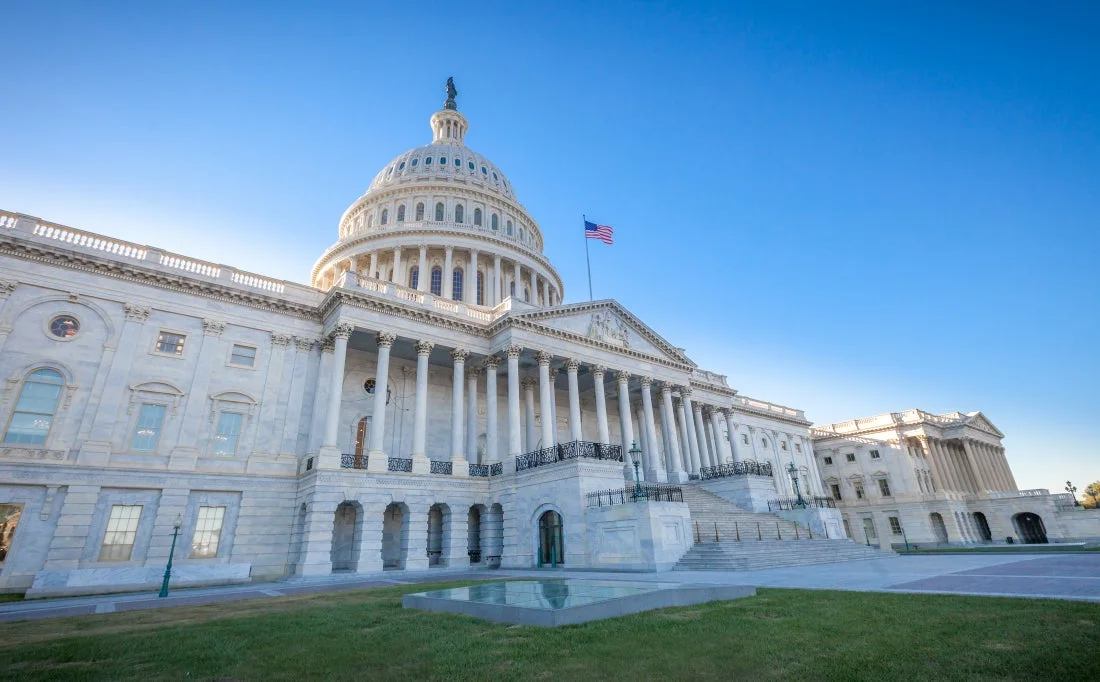
That timeline has taken on new urgency as Congress continues debating whether to make daylight saving time permanent. The House passed the Sunshine Protection Act in a bipartisan 308-117 vote in July, but no Senate vote has been scheduled and the bill remains stalled in committee. As the Nov. 1 deadline approaches, the window to stop this year’s clock change is getting smaller.
Unless lawmakers act, most Americans will once again gain an extra hour of sleep when clocks fall back at 2 a.m. local time on Nov. 1.
The debate has intensified this year after President Donald J. Trump repeatedly voiced support for ending the twice-yearly clock changes, while supporters continue pushing Congress to “lock the clock.” Opponents argue permanent daylight saving time could create darker winter mornings, raise concerns about safety, sleep and children’s morning commutes and noting it is more in line with our biological circadian rhythms, according to savestandardtime.
For now, however, Americans should still prepare for another time change this fall.
When does daylight saving time end in 2026?
Daylight saving time ends at 2 a.m. local time on Sunday, Nov. 1, 2026. At that time, clocks will be turned back one hour to 1 a.m., giving most Americans an extra hour of sleep.
The return to standard time also means earlier sunsets throughout November, December and much of January as daylight hours continue shrinking heading into winter.
Daylight saving time began March 8, 2026. The next time clocks spring forward will be Sunday, March 14, 2027.
Will we lose an hour or gain an hour?
When daylight saving time ends in the fall, clocks “fall back” one hour. That means most Americans will gain an extra hour that weekend.
The phrase “spring forward, fall back” remains the easiest way to remember which direction clocks move during each time change. In the spring, clocks move forward one hour, resulting in the loss of an hour of sleep that weekend.
Why do we change the clocks every year?
Daylight saving time was designed to shift more daylight into the evening hours during the warmer months of the year, according to the Farmers’ Almanac.
Supporters argue later sunsets provide more time for outdoor activities, recreation and shopping after work. Opponents argue standard time is more closely aligned with the body’s natural circadian rhythm and provides brighter mornings during the winter months.
The issue remains one of the most debated seasonal topics in the United States and has fueled repeated efforts in Congress to eliminate the twice-yearly clock changes altogether.
When will the Senate vote on permanent daylight saving time?
As of Sept. 25, no Senate floor vote has been scheduled on legislation that would make daylight saving time permanent. The Sunshine Protection Act passed the House in a bipartisan 308-117 vote on July 14 before being referred to the Senate Committee on Commerce, Science and Transportation, where it remains.
The Senate returned from its summer recess Sept. 14 and is currently scheduled to remain in session until Oct. 5, leaving a narrowing window for lawmakers to advance the proposal before clocks are set to fall back on Nov. 1.
Supporters say ending the clock changes would eliminate what many see as an unnecessary inconvenience while preserving later sunsets throughout the year.
However, opposition remains as Senate Majority Leader John Thune recently said senators remain divided on the proposal, noting there are lawmakers “some for, some against.”
With no vote currently scheduled, Americans should still expect daylight saving time to end Nov. 1.
Will daylight saving time become permanent?
It’s possible, but significant hurdles remain. For the Sunshine Protection Act to become law, it must still pass the Senate and be signed by Trump, who has publicly supported ending the twice-yearly clock changes.
Supporters argue permanent daylight saving time would provide more evening daylight year-round and end the disruption of changing clocks twice annually.
Critics contend it could result in excessively dark winter mornings and argue permanent standard time would be the healthier alternative.
For now, no law has changed and the Nov. 1 time change remains in place.
When is the shortest day of 2026? Winter solstice 2026
The winter solstice arrives Dec. 21, 2026. It marks the shortest day and longest night of the year in the Northern Hemisphere and the official start of astronomical winter.
Residents across New Jersey, Pennsylvania and Delaware will experience some of the shortest daylight periods of the year, with roughly nine hours of daylight depending on location.
Following the winter solstice, daylight gradually begins increasing again as the Northern Hemisphere starts its seasonal return toward spring.
To check how many hours of sunlight you’ll get and the sunrise/sunset times in your area, click here.
What states observe daylight saving time?
New Jersey, Pennsylvania and Delaware are among the states that observe daylight saving time. However, Hawaii and most of Arizona do not participate in the twice-yearly clock changes.
Several U.S. territories, including Puerto Rico, Guam, American Samoa, the Northern Mariana Islands and the U.S. Virgin Islands, also do not observe daylight saving time.
Unless Congress acts before Nov. 1, most Americans will once again turn their clocks back one hour and return to standard time for the winter months.
Maria Francis is a Pennsylvania-based journalist covering trending and breaking topics across the Mid-Atlantic and Northeast regions for USA Today Network. Reach her at mfrancis@usatodayco.com.
This article originally appeared on NorthJersey.com: When to set your clocks back. The 2026 daylight saving time start, end