Friday could be D-Day for President Trump’s most sweeping tariffs and mark a landmark test of presidential powers, as the US Supreme Court has its first chance to rule on the implications and legality of Trump’s global duties on trade partners.
The court indicated on its website that it has set Friday as an opinion day, suggesting that it will release decisions in argued cases. This will be the first opportunity for the court to issue a ruling on Trump’s “Liberation Day” tariffs.
Trump’s tariffs have sparked global debate, and the decision by the Supreme Court is being closely watched, as companies like Costco (COST) bring lawsuits against the US government in the hope of securing a refund on import duties if the court rejects Trump’s authority to impose tariffs.
The court heard arguments in early November. Both conservative- and liberal-leaning justices asked skeptical questions of the method by which the president imposed his most sweeping duties. Trump imposed his tariffs by invoking a 1977 law meant for national emergencies.
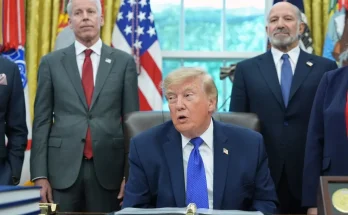
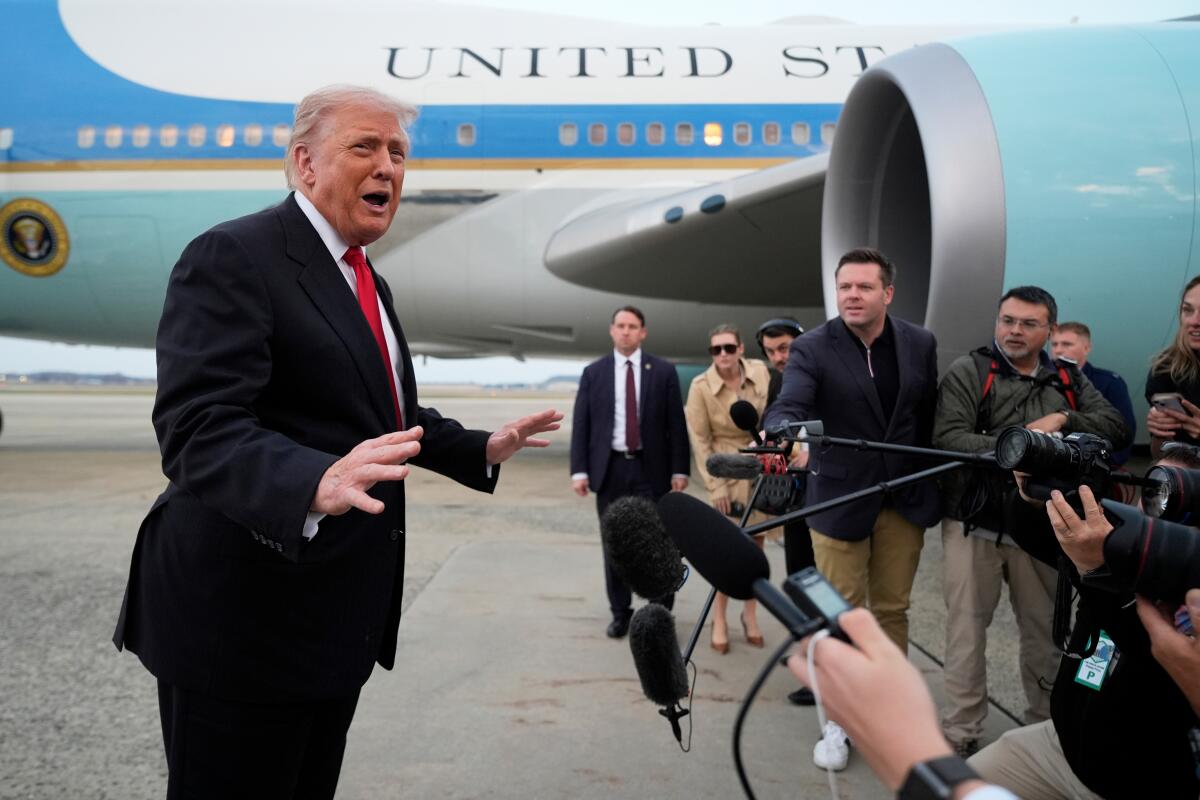
The Trump administration also made appeals to the court last year, and in recent weeks Trump has frequently expressed concern over the ruling, saying losing the ability to tariff other countries would be a “terrible blow” to the US.
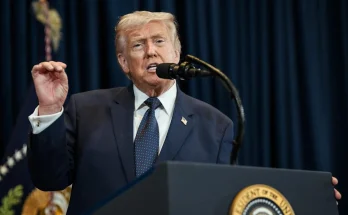
“Because of Tariffs, our Country is financially, AND FROM A NATIONAL SECURITY STANDPOINT, FAR STRONGER AND MORE RESPECTED THAN EVER BEFORE,” Trump said in another post on Monday.
US Treasury Secretary Scott Bessent said in an interview that a ruling against tariffs would be “a loss for the American people.”
Bessent has also said that the administration has other “options” if the court shuts down Trump’s tariffs.
“There are lots of other authorities that can be used, but IEEPA is by far the cleanest, and it gives the US and the president the most negotiating authority,” he said. “The others are more cumbersome, but they can be effective.”
U.S. Tariffs, Supreme Court Rulings, and Trade Deficit: What Businesses and Consumers Need to Know
The U.S. economy is facing a complex mix of trade policy, legal uncertainty, and shifting market dynamics as we move through early 2026. From Trump-era tariffs to record-low trade deficits, businesses and consumers alike are feeling the effects. Here’s a comprehensive look at the latest developments.
Trump 2.0 Tariffs: More Complex Than Ever
Under the so-called “Trump 2.0” approach, U.S. tariffs have become far more intricate. Thousands of product-specific rules now govern duties across consumer goods, industrial supplies, and other sectors, with roughly 17 different tariff measures compared with only three in 2017. This complexity has increased compliance costs for importers and created challenges for businesses navigating global supply chains.
Much of this tariff system relies on emergency powers granted under the International Emergency Economic Powers Act (IEEPA), a move that has sparked legal challenges. Importers are already preparing for a potential $150 billion refund fight if the Supreme Court rules that these emergency-based tariffs were unlawful.
Supreme Court Ruling Looms
The Supreme Court is expected soon to rule on the legality of Trump’s emergency-based tariffs. A ruling against the administration could invalidate a significant portion of these tariffs, potentially leading to refunds for importers and lower costs for consumer-focused companies. On the other hand, if the court upholds the tariffs, high duties and ongoing trade uncertainty could continue to pressure markets.
Even if some tariffs are struck down, the administration could seek alternative legal avenues to maintain certain duties, meaning uncertainty and complexity may persist. Traders and investors are watching closely, as the ruling could have major effects on stock prices, Treasury yields, and overall market volatility.
U.S.–India Trade Deal Stalls
International trade dynamics are also being affected by geopolitical factors. U.S. Commerce Secretary Howard Lutnick recently claimed that a potential U.S.–India trade deal stalled because Indian Prime Minister Narendra Modi did not make a key call to then-President Trump to finalize the agreement. India has disputed this explanation, noting multiple calls took place in 2025. Regardless, the failure to finalize the deal has contributed to higher tariffs on Indian goods, including duties on imports like steel, furniture, and certain consumer products.
Trade Deficit Narrows
Amid these developments, the U.S. trade deficit showed a rare positive sign in October 2025. The deficit fell to $29.4 billion, the lowest monthly level since 2009, driven by a 3.2% drop in imports and a 2.6% increase in exports. Goods imports—including consumer goods and industrial supplies—declined, while exports, boosted in part by precious metals and non-monetary gold, reached a record $302 billion. The narrower deficit could provide a small boost to GDP in late 2025, although some gains are tied to volatile commodities rather than sustained trade growth.
What It Means for Businesses and Consumers
-
Businesses: Importers face ongoing uncertainty over tariffs, potential Supreme Court rulings, and refund litigation, which could last years. Companies with significant import exposure should monitor developments closely.
-
Investors: The Supreme Court ruling is a major market catalyst. Stocks in retail and consumer goods could benefit if tariffs are overturned, while high tariffs could continue to weigh on market sentiment.
-
Consumers: High tariffs have increased costs on imported goods, from electronics to furniture. A rollback could ease prices, while sustained tariffs may keep costs elevated.
Bottom Line
The U.S. trade landscape in 2026 is shaped by legal, political, and economic uncertainty. From Trump-era tariffs and Supreme Court decisions to stalled trade deals and shifting trade deficits, businesses and consumers must navigate a complex environment. Keeping an eye on legal rulings, import costs, and market reactions will be key to understanding how these developments affect both the economy and daily life.