As holiday shopping ramps up and everyday costs keep climbing, many Americans are buzzing about potential government relief. President Donald Trump has sparked fresh hope with talk of $2,000 stimulus checks funded by import taxes called tariffs. But is this a sure thing, or just more political talk? In this guide, we’ll break it down in plain English—no jargon, just the facts. We’ll cover the basics, who’s in line to get paid, when it might happen, and why experts are split. If you’re a working family feeling the pinch, read on to see if new Trump $2000 payments could be on your horizon.

What Are These Proposed $2,000 Payments All About?
At its core, the idea is simple: Use money from tariffs—extra fees on goods coming into the U.S. from other countries—to send cash directly to everyday folks. Trump calls it a “tariff dividend,” like a thank-you bonus for American workers hit by higher prices on imports.
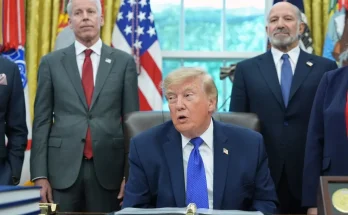
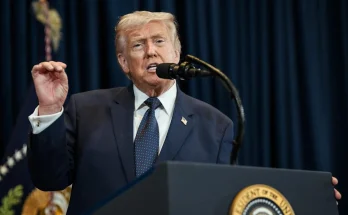
Back in early November 2025, Trump posted on Truth Social: “A dividend of at least $2,000 a person (not including high-income people!) will be paid to everyone.” He ties it to booming U.S. factories and low inflation, saying tariffs are bringing in “trillions” to cut debt and reward families. This isn’t like the COVID checks from 2020-2021, which were emergency aid. Instead, it’s pitched as a reward for sticking with “America First” trade rules.
Think of tariffs as a tax on foreign stuff, like electronics or clothes from China. The cash goes to the government, which could then share it back. Trump says it’s already fueling “record investment” in U.S. jobs. But critics argue it might just raise prices for shoppers without real gains.
The Timeline: When Could $2,000 Checks Actually Arrive?
Trump got specific on November 17, 2025, during a White House chat with reporters. He promised checks starting “around the middle of 2026, a little bit later than that.” That lines up with the midterm elections in November 2026, when voters decide Congress’s makeup. Some see it as smart timing to boost Republican chances.
Don’t hold your breath for 2025 holidays—these are a 2026 play. Treasury Secretary Scott Bessent echoed this on Fox News, saying everything’s “on the table” but needs Congress’s okay. No bill exists yet, so delays are likely. If approved, payments could roll out in summer or fall 2026, similar to how past stimulus hit bank accounts fast.
| Key Dates for $2,000 Payments | What’s Happening? |
|---|---|
| November 2025 | Trump floats the idea publicly; Supreme Court hears tariff legality case. |
| Early 2026 (Q1) | Possible tax refunds from Trump’s “One Big Beautiful Bill” start; could include dividend hints. |
| Mid-2026 (Summer/Fall) | Target rollout for checks, per Trump’s words—right before midterms. |
| November 2026 | Midterm elections; payments could sway voters if timed perfectly. |
| Ongoing (2026+) | Extra tariff cash might go to debt reduction, Trump says. |
This table shows the roadmap based on official statements. Remember, it’s all proposals—no guarantees.
Who Qualifies for These $2,000 Stimulus Checks? Eligibility Basics
Not everyone gets a slice. Trump targets “moderate and middle-income” folks, skipping the wealthy. Bessent clarified on Fox: Aim for families earning “less than $100,000” a year. That could cover about 150 million Americans, per Tax Foundation estimates.
Compare it to past stimulus: In 2020, singles under $75,000 got full $1,200; couples under $150,000. Here, it might mirror that—full $2,000 for low earners, tapering off above $100,000. Kids could qualify too, like during COVID, making it $2,000 per person in a family.
But details are fuzzy. No IRS guidelines yet. Expect to file taxes or use a simple app, like the “Get My Payment” tool from before. Undocumented folks? Probably out, as with prior rounds. Veterans or seniors? They might get priority if income fits.
Quick Eligibility Checklist
- Income Limit: Under $100,000 for households (exact thresholds TBD).
- Citizenship: U.S. citizens or legal residents, based on SSN.
- Exclusions: High earners over $100k; possibly non-workers, but Trump stresses “working families.”
- Family Boost: $2,000 per adult/child, potentially—could mean $6,000 for a family of three.
If you’re near the edge, track IRS updates. This setup aims to help those hit hardest by rising grocery and gas bills.
How Would the Money Be Funded—and Does It Add Up?
Tariffs are the fuel. Trump’s team says they’ve raked in $215 billion in fiscal 2025, with $300 billion projected for 2026. That sounds huge, but experts crunch the numbers differently.
The Tax Foundation predicts $207.5 billion in new tariff cash for 2026. Sending $2,000 to 150 million people? That’s $300 billion— a shortfall. Plus, tariffs hike prices: Households might pay $1,600-$2,600 extra yearly, per Tax Policy Center. So, your “bonus” could vanish in costlier imports.
The Committee for a Responsible Federal Budget warns: One-time checks might not cover it, leaving less for debt cuts Trump promises. Bessent says it could “come in lots of forms,” like tax breaks on tips or overtime—no actual check needed.
Bottom line: Math is tight. If tariffs stick (big if—see below), it might work. Otherwise, it’s smoke.
Big Hurdles: Why $2,000 Payments Might Not Happen
Excitement is high, but roadblocks loom. First, Congress must approve. No votes yet; GOP leaders are cool on spending amid debt worries. Sen. Josh Hawley’s rebate bill fizzled.
Second, legal fights. The Supreme Court heard arguments November 5, 2025, on Trump’s tariff powers. Justices seemed doubtful he can bypass Congress via “emergency” rules. A loss means refunds to importers—wiping out dividend dreams.
Third, economic risks. Past stimulus fueled inflation (peaking 2022). Economists like Stephen Moore say checks “stimulate inflation” over real growth. Wall Street’s betting against it—prediction markets give low odds by March 2026.
One wild card: Recession. If jobs tank, checks could become a must to save the economy. But for now, it’s 50/50.
Pros and Cons of Trump’s $2,000 Plan
| Pros | Cons |
|---|---|
| Quick cash for families ($2k/person helps bills). | Tariffs raise prices, eating into gains. |
| Boosts U.S. manufacturing/jobs. | Needs Congress—delays likely. |
| Ties to midterms for voter appeal. | Legal challenges could kill tariffs. |
| Extra funds for debt reduction. | Inflation risk from sudden spending. |
This balanced view shows why it’s promising but precarious.
What Should You Do Now? Smart Steps for Families
Stay informed: Follow IRS.gov or WhiteHouse.gov for alerts. No scams—ignore texts promising “instant checks.” Build savings: If it comes, great; if not, you’re ahead.
Trump’s push shows relief is on the radar, but 2026 is far. Chat with a tax pro if you’re low-income—they can spot other aids like credits.
Final Thoughts: Hopeful but Hold Off on Spending
New Trump $2000 payments sound like a win for squeezed budgets, but they’re not locked in. Mid-2026 timing, $100k cap, and tariff funding make it targeted help—if it clears hurdles. With elections looming, pressure’s on. For now, focus on what you control: Budget wisely and vote your wallet.