As Elon Musk reveals he tried to convince President Donald Trump not to implement sweeping tariffs, U.S. manufacturers are linking the levies with industry troubles.
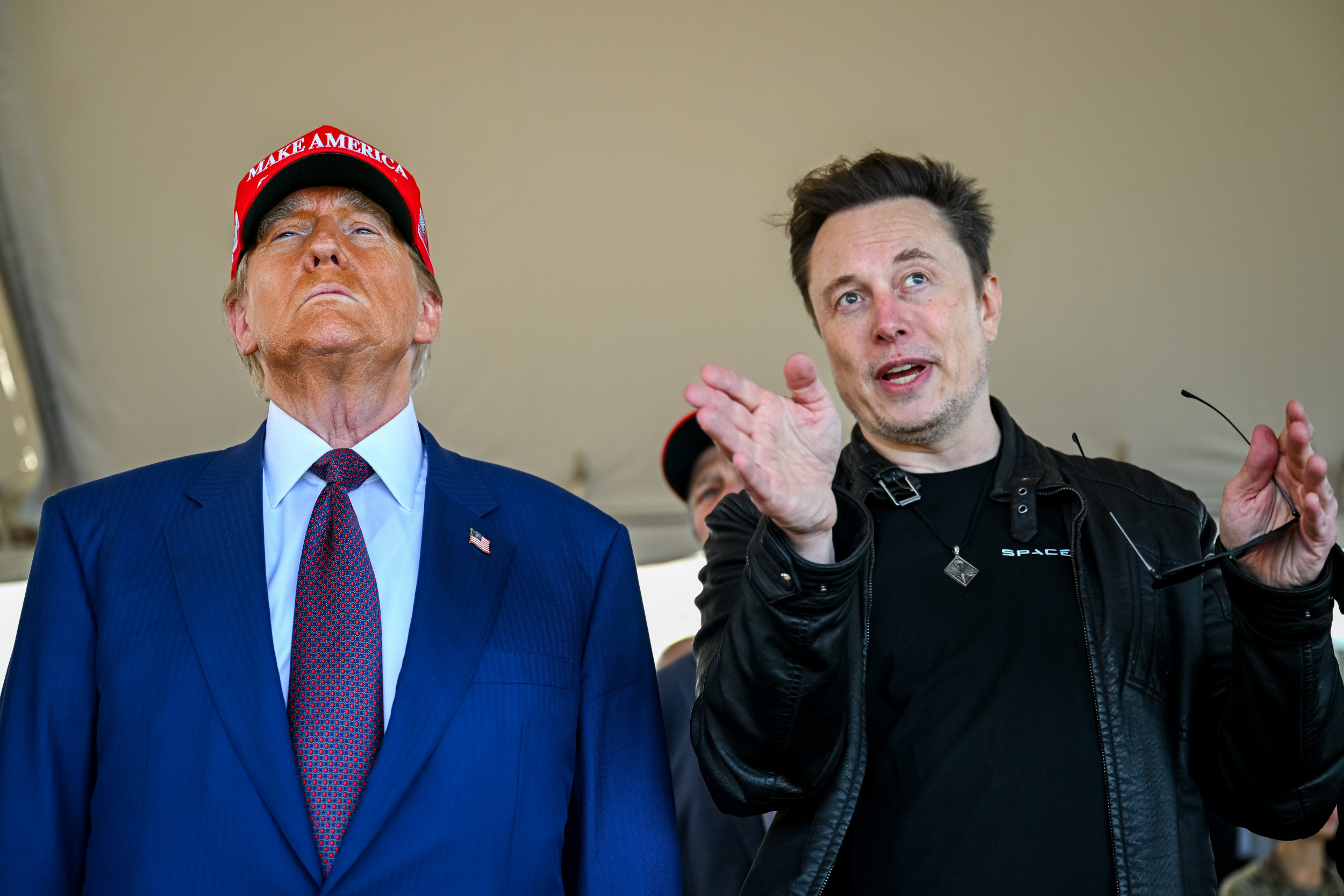
In an interview with investor and entrepreneur Nikhil Kamath released on Sunday, Musk said he warned Trump against tariffs, arguing they “create distortions in markets.” The Tesla CEO has previously expressed concern that import taxes would cause a recession and drive up the prices of goods. In April, the EV maker stopped taking orders for some models in China, which then faced a retaliatory 125% tariff.
“The president has made it clear he loves tariffs,” Musk said in the interview. “I’ve tried to dissuade him from this point of view, but unsuccessfully.”
“Would you want tariffs between you and everyone else at an individual level? That would make life very difficult,” he continued. “Would you want tariffs between each city? No, that would be very annoying. Would you want tariffs between each state within the United States? No, that would be disastrous for the economy. So then, why do you want tariffs between countries?”
The White House didn’t immediately respond to Fortune’s request for comment.
Beyond the levies threatening Musk’s own company, American manufacturers are now linking Trump’s tariffs to the shrinking industry and tough labor cuts they’ve needed to make to keep their businesses going. It’s the opposite of Trump’s intentions when implementing the tariffs, which he claimed would be a catalyst for reshoring American factory jobs.

“The president has made it clear he loves tariffs,” Musk said in the interview. “I’ve tried to dissuade him from this point of view, but unsuccessfully.”
“Would you want tariffs between you and everyone else at an individual level? That would make life very difficult,” he continued. “Would you want tariffs between each city? No, that would be very annoying. Would you want tariffs between each state within the United States? No, that would be disastrous for the economy. So then, why do you want tariffs between countries?”
The White House didn’t immediately respond to Fortune’s request for comment.
Beyond the levies threatening Musk’s own company, American manufacturers are now linking Trump’s tariffs to the shrinking industry and tough labor cuts they’ve needed to make to keep their businesses going. It’s the opposite of Trump’s intentions when implementing the tariffs, which he claimed would be a catalyst for reshoring American factory jobs.

Ullrich also noted trade uncertainty more broadly forces companies to think less about hiring and more about sourcing decisions and pricing.
“It is striking how soft manufacturing has been because, in theory, you put tariffs in place to protect domestic manufacturing, so that domestic manufacturing employment grows,” Ullrich said. “And we have seen the opposite of that.”
Despite warming trade relations between the U.S. and China, some manufacturers say the tough decisions around workforce reductions will continue as long as tariffs present a problem.
“Going into 2026, we expect to see big changes with cash flow and employee headcount,” one ISM survey respondent said. “The company has sold off a big part of the business that generated free cash while offering voluntary severance packages to anyone.”
This story was originally featured on Fortune.com