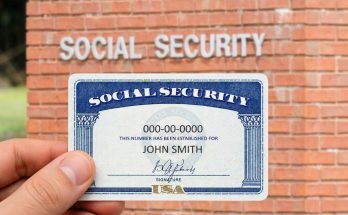
For nearly 90 years, Social Security has functioned as a predictable monthly lifeline for retirees. What’s changing now isn’t the existence of benefits — it’s how Americans prove eligibility, fix problems, and interact with the agency.
Between 2025 and 2028, the federal government is pushing the Social Security system toward a model built around identity verification, electronic payments, and online self-service. The goal: reduce fraud, cut administrative costs, and prepare for long-term financial pressure as the population ages.
But for beneficiaries — especially seniors who rely on in-person help — the transition could make accessing benefits more complicated.
Below is a detailed breakdown of the biggest shifts expected and what they mean in practice.
At-a-glance: What’s changing
| Area | Old System | New Direction |
|---|---|---|
| Identity verification | Often phone/mail | More online & in-person proofing |
| Customer service | Local office assistance | Centralized & digital self-service |
| Workforce | Larger field staff | Reduced staffing levels |
| Payments | Paper checks available | Fully electronic |
| Processing | Local handling | National workload distribution |
1. Stronger identity verification rules
The agency is tightening anti-fraud protections. In recent years, criminals increasingly targeted benefit accounts by changing bank information or impersonating beneficiaries.
To counter that, the SSA is expanding “proofing” requirements.
What may now trigger verification
-
Starting retirement benefits
-
Updating direct deposit
-
Changing address
-
Replacing Social Security card
-
Accessing locked accounts
Acceptable documentation often required
| Category | Examples |
|---|---|
| Identity | Driver’s license, passport |
| Citizenship | Birth certificate, naturalization certificate |
| Marital status | Marriage/divorce records |
| Banking | Official bank statement or letter |
Impact:
More claims will pause until documentation is reviewed — especially for first-time applicants and account changes.
2. More in-person visits, fewer phone solutions
For decades, many retirees solved issues through call centers. That option is narrowing.
The agency increasingly directs people to either:
-
Visit a field office
-
Use an online account
Who will notice the biggest change
| Group | Why |
|---|---|
| Seniors over 75 | Less internet usage |
| Rural retirees | Long travel distance to offices |
| Disabled beneficiaries | Transportation challenges |
| Caregivers | Must assist with verification |
Expected result: More appointment demand and longer wait times.
3. Centralized claim processing replaces local handling
Traditionally, local Social Security offices handled local residents’ claims. The system is moving toward nationwide workload distribution.
How the new model works
Claims are routed to whichever processing center has availability rather than location.
| Advantage | Drawback |
|---|---|
| Faster simple approvals | Less personal familiarity |
| Better staffing balance | Harder problem resolution |
| Lower operating costs | More follow-ups required |
Complex cases — such as survivor benefits, disability transitions, or earnings corrections — may require additional documentation cycles.
4. Workforce reductions and office changes
The agency plans significant workforce reductions as part of modernization.
Projected staffing shift
| Category | Approximate Count |
|---|---|
| Previous staffing | ~57,000 employees |
| Target staffing | ~50,000 employees |
| Reduction | ~7,000 positions |
Likely effects
-
Longer phone hold times
-
Slower appeals processing
-
Fewer walk-in hours
-
Appointment backlogs
For retirees, this means planning ahead becomes essential — especially before retirement or major account changes.
5. Permanent transition to digital payments
Paper benefit checks are being phased out in favor of electronic payments only.
Payment options available
| Method | Description |
|---|---|
| Direct deposit | Bank account transfer |
| Government debit card | Prepaid benefits card |
Why the change matters
Benefits
-
Faster payments
-
Lower theft risk
-
Reduced administrative cost
Challenges
-
Unbanked seniors must open accounts
-
Less flexibility for check-cash users
-
Technology learning curve
How retirees can prepare now
| Action | Purpose |
|---|---|
| Create online Social Security account | Avoid office visits |
| Gather original documents | Prevent claim delays |
| Switch to direct deposit early | Avoid payment interruption |
| Schedule appointments early | Offices will be busier |
| Ask trusted family for help | Navigate digital system |
What isn’t changing
Despite operational changes, several core elements remain stable:
-
Monthly benefits continue
-
Cost-of-living adjustments still apply
-
Eligibility rules remain largely intact
-
Medicare enrollment continues through Social Security
In short: the structure of Social Security remains — the access process is what’s evolving.
Bottom line
The next three years won’t eliminate Social Security, but they will fundamentally change how retirees interact with it.
The program is moving toward a verification-heavy, digital-first system designed for efficiency rather than convenience. For tech-comfortable users, it may feel faster. For others, it may feel harder.
Preparation — not panic — is the key.
Retirees who organize documents, learn online tools, and plan ahead will avoid most disruptions and keep their retirement income running smoothly.