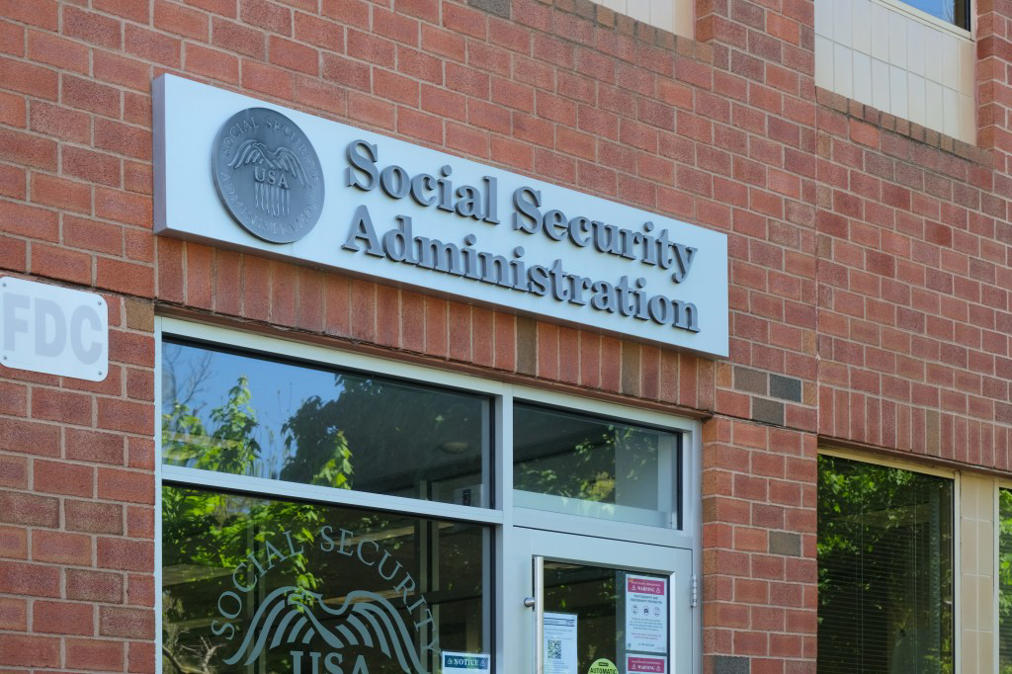
A growing financial challenge is looming over one of America’s most relied-upon programs. According to projections tied to the Social Security Administration, the system that pays benefits to more than 70 million Americans is on track to face a funding shortfall within the next decade — raising the possibility of automatic benefit cuts as early as 2032 if lawmakers do not intervene.
For retirees, disabled workers, and survivors who depend on monthly checks, the issue is not theoretical. It is a question of how much income they may lose — and when.
Why Social Security Could Face Cuts
Social Security is funded primarily through payroll taxes paid by current workers. Those taxes are used to fund benefits for current retirees, with excess funds historically placed into trust funds.
But demographic and economic shifts are putting pressure on the system:
-
Americans are living longer, collecting benefits for more years
-
The number of retirees is growing faster than the workforce
-
Birth rates have declined, reducing the number of future workers paying into the system
As a result, the program is projected to pay out more than it collects in the coming years.
What Happens in 2032
If no changes are made, Social Security’s trust funds could be depleted around 2032–2034, according to multiple projections.
That does not mean payments will stop entirely. Instead:
-
Ongoing payroll tax revenue would still fund benefits
-
But only at about 75% to 80% of scheduled levels
In practical terms, this could mean automatic cuts of roughly 20% to 25% for beneficiaries.
What a Benefit Cut Could Look Like
For many retirees, even a modest reduction could have serious consequences.
| Current Monthly Benefit | Estimated Cut (25%) | New Monthly Benefit |
|---|---|---|
| $1,500 | -$375 | $1,125 |
| $2,000 | -$500 | $1,500 |
| $2,500 | -$625 | $1,875 |
Because Social Security is the primary source of income for many retirees, such reductions could affect their ability to pay for:
-
Housing
-
Food
-
Healthcare
-
Utilities
Why Congress Must Act
Preventing benefit cuts requires action from Congress.
Lawmakers have several options, including:
-
Raising payroll taxes
-
Increasing the income cap on taxable wages
-
Gradually raising the retirement age
-
Adjusting benefit formulas
-
Combining multiple reforms
Each option comes with trade-offs, and political disagreements have made it difficult to pass comprehensive reform.
However, the longer action is delayed, the more significant the changes may need to be.
Why the Timeline Matters
Although 2032 may seem far away, policy experts warn that the timeline is closer than it appears.
Social Security changes are often phased in gradually to avoid sudden disruptions. That means:
-
Decisions made today affect retirees years into the future
-
Delays could lead to more abrupt or severe adjustments later
For current workers and near-retirees, the uncertainty makes long-term financial planning more difficult.
What This Means for Current Retirees
For Americans already receiving Social Security benefits, the question is whether cuts would affect them directly.
Historically, policymakers have tried to protect current retirees from major changes. However, if no action is taken, automatic reductions would apply broadly.
That means:
-
Current retirees could see reduced payments
-
Future retirees could face lower benefits or delayed eligibility
Why Social Security Still Matters
Despite the financial challenges, Social Security remains one of the most important federal programs in the United States.
Today:
-
More than 70 million Americans receive benefits
-
Many retirees rely on Social Security for most of their income
-
The program has helped reduce poverty among older Americans for decades
For millions of households, Social Security is not just a supplement — it is a financial lifeline.
What Americans Can Do Now
While the future of Social Security depends largely on congressional action, individuals can take steps to prepare.
Financial experts often recommend:
-
Delaying benefits when possible to increase monthly payments
-
Building additional retirement savings
-
Diversifying income sources
-
Staying informed about potential policy changes
Understanding how Social Security works — and how it may change — is an important part of retirement planning.
The Bottom Line
Social Security is projected to face a funding shortfall that could trigger automatic benefit cuts of around 20% to 25% by 2032 if no legislative action is taken.
The issue is not whether the program will disappear — it will continue to pay benefits — but whether those benefits will be reduced.
For millions of Americans who depend on Social Security, the stakes are high. And for lawmakers, the pressure to act is growing as the timeline draws closer.