By Jessica Morgan | Updated May 2026
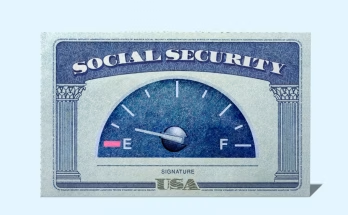
The future of Social Security is once again at the center of national debate as lawmakers face mounting pressure to address the program’s long-term financial problems. According to projections tied to the Social Security Administration (SSA), Congress may have roughly six years left to prevent automatic benefit reductions for millions of Americans.
For retirees, workers, and future beneficiaries, the stakes are enormous.
If lawmakers fail to act before the Social Security trust funds are depleted, the program would still continue paying benefits—but only at a reduced level. Experts warn that millions of Americans could face automatic cuts unless Congress approves reforms in the coming years.
Below is a complete USA TODAY–style breakdown explaining why the six-year timeline matters, what could happen if lawmakers do nothing, and which changes are most likely to be debated.
📊 Social Security’s Financial Outlook
| Category | Current Projection |
|---|---|
| Estimated trust fund depletion | ~2032–2034 |
| Years remaining before major action needed | ~6 years |
| Benefits payable after depletion | ~75%–80% |
| Potential automatic reduction | ~20%–25% |
| Americans receiving benefits | 70+ million |
👉 Social Security is not going bankrupt, but its reserves are projected to become insufficient to pay full scheduled benefits.
📊 Why the “6-Year Window” Matters
| Factor | Explanation |
|---|---|
| Trust fund reserves shrinking | More money leaving than entering |
| Baby Boomer retirement wave | Growing number of beneficiaries |
| Fewer workers per retiree | Lower payroll tax support |
| Rising life expectancy | Benefits paid for longer periods |
👉 Economists say Congress has a limited window to implement gradual changes before automatic cuts become much harder to avoid.
📊 How Social Security Is Funded
| Funding Source | Description | Approximate Role |
|---|---|---|
| Payroll taxes | Workers & employers contribute | Primary funding source |
| Trust funds | Reserve funds from past surpluses | Supplemental support |
| Taxation of benefits | Some benefits taxed | Additional revenue |
| Interest income | Earnings on trust fund assets | Minor contribution |
👉 The system works best when payroll tax revenue is sufficient to support retirees—but demographic shifts are straining the balance.
📊 Why the System Is Under Pressure
| Challenge | Impact on SSA |
|---|---|
| Aging population | More beneficiaries collecting |
| Lower birth rates | Fewer workers paying taxes |
| Longer retirements | Benefits paid longer |
| Rising healthcare costs | Financial strain on retirees |
👉 In simple terms:
More people are collecting benefits while fewer workers are funding the system.
📊 What Happens if Congress Does Nothing?
| Scenario | Likely Outcome |
|---|---|
| Trust funds depleted | SSA relies only on incoming taxes |
| No reform passed | Automatic benefit reductions |
| Estimated reduction | ~20%–25% |
| Timing | Early 2030s |
👉 Even after depletion, Social Security would still pay benefits—but not at full scheduled levels.
📊 Example of Potential Benefit Cuts
| Current Monthly Benefit | Estimated 20% Reduction | New Monthly Amount |
|---|---|---|
| $1,500 | -$300 | ~$1,200 |
| $2,000 | -$400 | ~$1,600 |
| $3,000 | -$600 | ~$2,400 |
| $5,000 | -$1,000 | ~$4,000 |
👉 For retirees living primarily on Social Security, even modest reductions could create significant financial hardship.
📊 Who Would Be Most Affected?
| Group | Potential Impact |
|---|---|
| Current retirees | Reduced monthly income |
| Near-retirees | Less retirement certainty |
| Younger workers | Higher taxes + lower future benefits |
| Low-income households | Greater financial vulnerability |
👉 Lower-income retirees are considered the most vulnerable because Social Security often represents the majority of their income.
📊 Possible Solutions Congress Could Consider
| Proposal | Purpose | Potential Effect |
|---|---|---|
| Raise payroll taxes | Increase funding | More revenue |
| Raise retirement age | Reduce long-term payouts | Delayed benefits |
| Increase taxable wage cap | Tax higher incomes more | Major revenue increase |
| Reduce benefits for high earners | Lower system costs | Smaller payouts |
| Modify COLA formula | Slow benefit growth | Reduced future increases |
📊 Retirement Age Debate
| Current Rule | Possible Change | Impact |
|---|---|---|
| Full retirement age: 67 | Increase to 68–70 | Longer working careers |
| Early retirement: 62 | Could remain unchanged | Larger penalties |
👉 Critics argue raising the retirement age acts as an indirect benefit cut.
📊 Payroll Tax Increase Possibilities
| Current Payroll Tax | Potential Adjustment | Effect |
|---|---|---|
| 12.4% combined | Possible increase | More funding for SSA |
| Wage cap applies | Cap may rise/remove | High earners contribute more |
👉 One major debate centers on whether higher-income workers should pay Social Security taxes on more of their earnings.
📊 Why Lawmakers Are Hesitating
| Political Challenge | Explanation |
|---|---|
| Tax increases unpopular | Difficult politically |
| Benefit cuts controversial | Risks voter backlash |
| Retirement age changes sensitive | Impacts millions |
| Election cycles | Delays long-term decisions |
👉 Both parties acknowledge the problem, but consensus on solutions remains difficult.
📊 Social Security Benefits in 2026
| Category | Average Monthly Benefit | Annual Equivalent |
|---|---|---|
| Retired worker | ~$2,071 | ~$24,852 |
| Retired couple | ~$3,200+ | ~$38,000+ |
| SSDI recipient | ~$1,580–$1,630 | ~$19,000+ |
| Maximum benefit (age 70) | ~$5,181 | ~$62,000+ |
👉 These figures include the 2026 COLA increase of 2.8%.
📊 Common Misconceptions
| Myth | Reality |
|---|---|
| “Social Security is going bankrupt” | ❌ Benefits will continue |
| “Benefits disappear completely” | ❌ Partial payments would continue |
| “Cuts are happening immediately” | ❌ No current cuts approved |
| “Congress has unlimited time” | ❌ Timeline is narrowing |
📊 Timeline of What Could Happen
| Timeframe | Likely Event |
|---|---|
| 2026–2028 | Major reform debates intensify |
| Late 2020s | Possible phased reforms |
| Early 2030s | Trust fund depletion risk |
| After depletion | Automatic reductions if no action |
📊 Financial Impact on Retirees
| Expense Category | Risk if Benefits Reduced |
|---|---|
| Housing | Higher financial strain |
| Healthcare | Harder to afford care |
| Food & essentials | Reduced purchasing power |
| Savings reliance | Faster depletion |
👉 Many retirees already rely heavily on Social Security to cover basic living expenses.
🧾 Final Summary Table
| Key Question | Answer |
|---|---|
| How long does Congress have? | About 6 years |
| Will Social Security disappear? | ❌ No |
| What happens without reform? | Automatic benefit reductions |
| Estimated cuts | ~20%–25% |
| Main solutions debated | Taxes, retirement age, benefit adjustments |
📌 Final Word
Social Security is not collapsing—but time is running short for lawmakers to prevent future reductions.
The next several years could determine how the program looks for future retirees and whether Americans continue receiving full benefits.
For now, beneficiaries continue receiving their scheduled payments—but the debate over the future of Social Security is likely to become one of the biggest financial and political issues of the decade.