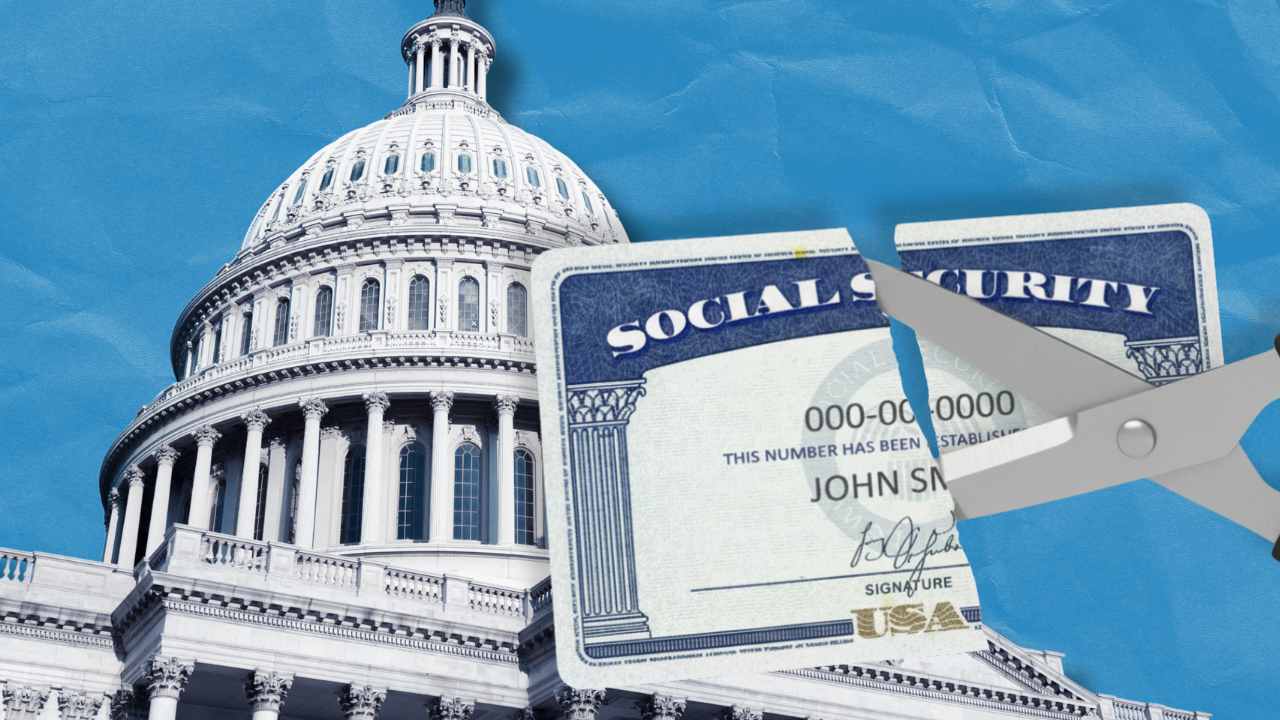
As millions of Americans move closer to retirement age, financial experts are warning that many future Social Security beneficiaries still do not fully understand how the program works — or how their decisions today could significantly affect their retirement income later.
From claiming age and work history to taxes and inflation, several factors can determine how much retirees ultimately receive from Social Security in the years ahead.
And with growing concerns about rising living costs and the long-term future of the Social Security system, experts say understanding the basics of retirement income planning has become more important than ever.
For many Americans, Social Security will remain one of the largest sources of retirement income during their later years.
But financial planners increasingly caution that relying entirely on monthly benefits may not be enough to maintain long-term financial stability.
Social Security Was Never Designed to Replace Full Income
One of the biggest misunderstandings about Social Security is the belief that the program was designed to fully replace a worker’s paycheck during retirement.
In reality, Social Security was originally intended to supplement retirement savings and pensions — not serve as a retiree’s only source of income.
However, economic changes over the past several decades have left many Americans depending far more heavily on Social Security than originally expected.
Declining pensions, rising healthcare costs, inflation, and insufficient retirement savings have increased financial pressure on future retirees nationwide.
Your Claiming Age Matters More Than Many People Realize
One of the most important decisions future retirees make is when they begin collecting Social Security benefits.
Workers can claim retirement benefits as early as age 62, but doing so permanently reduces monthly payments compared to waiting until full retirement age or age 70.
How Claiming Age Affects Benefits
| Claiming Age | Effect on Monthly Benefits |
|---|---|
| Age 62 | Permanently reduced monthly payments |
| Full retirement age | Standard calculated benefit |
| Age 70 | Maximum monthly benefit through delayed credits |
Delaying benefits can significantly increase retirement income over time, especially for workers expecting longer retirements.
Financial experts often recommend carefully evaluating health, savings, employment status, and long-term financial needs before deciding when to claim benefits.
Your Highest 35 Years of Earnings Matter
Social Security calculates retirement benefits using a worker’s highest 35 years of earnings.
That means:
- Higher lifetime earnings usually lead to larger benefits
- Low-income years can reduce monthly payments
- Career gaps may lower retirement income
- Additional working years can sometimes increase future benefits
Workers with fewer than 35 years of covered earnings may have zero-income years included in the formula, which can reduce final benefit amounts significantly.
Inflation Continues Affecting Retirement Planning
Inflation remains one of the biggest concerns for future retirees in 2026.
Although Social Security includes annual cost-of-living adjustments, many retirees report that rising expenses continue outpacing benefit increases in key areas such as:
- Housing
- Healthcare
- Insurance premiums
- Prescription medications
- Utilities
- Groceries
Financial analysts warn that even modest inflation can erode purchasing power over long retirements lasting 20 to 30 years or more.
Taxes Can Also Reduce Retirement Income
Many future retirees are surprised to learn that Social Security benefits may become taxable depending on overall household income.
Additional retirement income from:
- Pensions
- 401(k) withdrawals
- IRA distributions
- Investment income
- Part-time employment
can push retirees into taxable benefit thresholds under federal law.
In some cases, retirees may also face higher Medicare premiums because of increased income levels.
The Future of Social Security Remains a Major National Debate
The long-term future of Social Security continues generating political debate in Washington.
Federal projections have warned for years that the system faces growing financial pressure tied to:
- Retiring Baby Boomers
- Longer life expectancy
- Rising benefit costs
- A shrinking worker-to-retiree ratio
Lawmakers continue discussing possible reforms involving:
- Payroll tax increases
- Retirement age adjustments
- Benefit formula changes
- Trust fund financing
Despite those concerns, experts stress that Social Security is not expected to disappear entirely.
Most analysts believe future reforms would likely involve gradual adjustments rather than sudden elimination of benefits.
Why Retirement Planning Is Becoming More Important
Because retirement costs continue rising nationwide, financial planners increasingly encourage Americans to diversify retirement income sources whenever possible.
That may include:
- Employer retirement plans
- Personal savings
- Investment accounts
- IRAs and 401(k)s
- Part-time work in retirement
- Emergency savings funds
The goal, experts say, is to avoid overdependence on a single source of income during retirement.
Healthcare Costs Remain a Major Concern
Healthcare spending continues representing one of the largest financial risks facing retirees.
Even with Medicare coverage, retirees often face substantial out-of-pocket expenses involving:
- Prescription drugs
- Supplemental insurance
- Long-term care
- Specialist visits
- Dental and vision services
Financial analysts warn that medical inflation can significantly affect retirement budgets over time.
What Future Beneficiaries Should Focus on Right Now
Experts say future retirees should begin preparing for Social Security decisions well before retirement age.
Important steps may include:
- Reviewing earnings records regularly
- Estimating future benefits
- Understanding claiming strategies
- Managing debt carefully
- Building additional retirement savings
- Planning for healthcare costs
The earlier workers begin preparing, the more flexibility they may have later in retirement.
Bottom Line
Every future Social Security beneficiary should understand that retirement income depends on far more than simply reaching retirement age.
Claiming decisions, work history, taxes, inflation, healthcare costs, and long-term savings all play major roles in determining financial security later in life.
As retirement planning becomes increasingly complex in 2026, experts say Americans who understand how Social Security works — and prepare early — may be better positioned to protect their long-term financial stability.