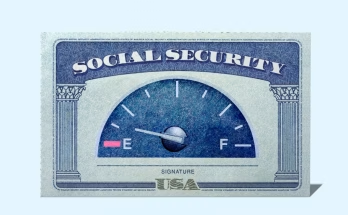
Millions of dollars in unclaimed tax refunds connected to the COVID-19 pandemic era are still sitting uncollected, and many Americans could permanently lose access to that money if they fail to act before upcoming IRS deadlines.
Tax professionals and financial experts are warning that eligible taxpayers who never filed certain federal tax returns during the pandemic years may still qualify for stimulus-related credits and refunds — but the window to claim them is rapidly closing.
For some Americans, the remaining refunds could total hundreds or even thousands of dollars.
Now, with a key July 10 deadline approaching for some late-processing and correction filings, many taxpayers are scrambling to determine whether they still qualify for unclaimed pandemic-era money.
Why Some COVID-Era Refunds Were Never Claimed
During the COVID-19 pandemic, the federal government issued several rounds of economic relief through:
- Stimulus checks
- Expanded Child Tax Credits
- Recovery Rebate Credits
- Earned Income Tax Credits
- Enhanced unemployment-related tax provisions
However, millions of eligible Americans either:
- Never filed tax returns
- Filed incorrectly
- Missed claiming certain credits
- Changed addresses during the pandemic
- Experienced IRS processing delays
As a result, billions of dollars in potential refunds and credits remain unclaimed nationwide.
The Recovery Rebate Credit Remains a Major Issue
One of the largest remaining sources of unclaimed money involves the Recovery Rebate Credit.
This credit allowed eligible Americans who did not receive full stimulus payments during the pandemic to claim missing amounts through their federal tax returns.
Many lower-income Americans who were not normally required to file taxes never submitted returns and therefore never received the money they qualified for.
Others may have received partial payments but failed to claim remaining balances.
Why July 10 Matters
Tax experts say July 10 has become an important deadline period for certain taxpayers needing to:
- Correct filing errors
- Respond to IRS notices
- Submit missing documentation
- Resolve delayed refund issues
- Finalize some pandemic-related refund claims before broader expiration windows close
While exact eligibility deadlines vary depending on the type of refund or credit involved, financial professionals warn that waiting too long could permanently eliminate the ability to recover unclaimed funds.
Who May Still Qualify for Unclaimed Refunds?
Several groups may still qualify for COVID-era refunds or credits.
Potentially Eligible Americans
| Group | Possible Eligibility Reason |
|---|---|
| Low-income workers | Missed Recovery Rebate Credits |
| Families with children | Expanded Child Tax Credit payments |
| Non-filers during pandemic years | Unclaimed stimulus-related refunds |
| Gig workers and freelancers | Incorrect or incomplete filings |
| Seniors and retirees | Missed rebate eligibility |
| Individuals who moved frequently | Payments lost or returned |
Tax experts recommend reviewing pandemic-era tax filings carefully to determine whether money may still be owed.
IRS Continues Warning Taxpayers About Deadlines
The IRS has repeatedly warned that refund claims tied to older tax years eventually expire under federal law.
Generally, taxpayers have limited time to file returns and claim refunds before the money legally becomes property of the U.S. Treasury.
That means unclaimed pandemic-related refunds may not remain available indefinitely.
Scams Are Also Increasing
As refund deadlines approach, consumer protection experts warn taxpayers to watch for scams involving fake IRS calls, emails, and text messages.
Fraudsters often target Americans searching for stimulus-related information.
Officials warn taxpayers to avoid:
- Sharing Social Security numbers with unknown callers
- Clicking suspicious refund links
- Paying upfront “refund processing” fees
- Responding to unsolicited messages claiming guaranteed payments
The IRS generally communicates through official mail notices rather than aggressive phone calls or social media messages.
How Taxpayers Can Check Their Status
Americans concerned about missing refunds can:
- Review prior-year tax returns
- Check IRS online accounts
- Verify stimulus payment history
- Consult tax professionals
- Review IRS notices carefully
Many taxpayers may not realize they still qualify for refunds until they revisit older filings.
Why Pandemic-Era Refunds Remain Important
Although the pandemic officially ended years ago, many households continue struggling with:
- Inflation
- Rising housing costs
- Healthcare expenses
- Credit card debt
- Reduced savings
For eligible taxpayers, unclaimed refunds could provide meaningful financial relief during a period of continued economic pressure.
Bottom Line
Millions of dollars in unclaimed COVID-era IRS refunds and stimulus-related credits may still be available, but taxpayers could lose access to that money if they fail to resolve filings and eligibility issues before upcoming deadlines.
With July 10 approaching for certain processing and correction matters, tax professionals say Americans should review their pandemic-era tax records as soon as possible to avoid permanently missing out on refunds they may still qualify to receive.