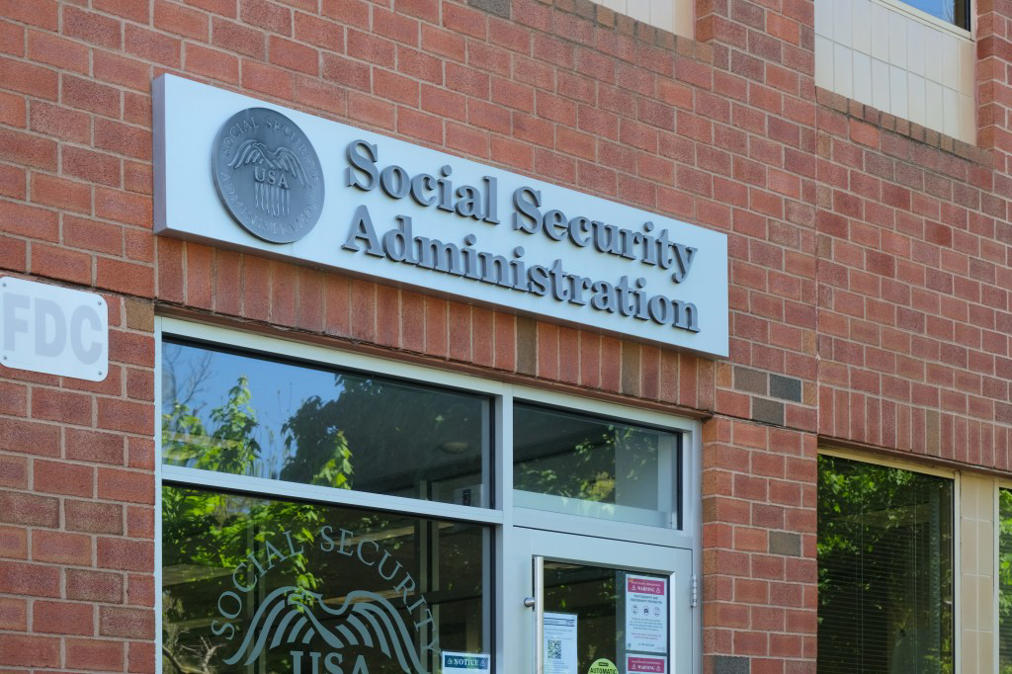
WASHINGTON — The race to determine the size of the 2027 Social Security cost-of-living adjustment (COLA) is officially underway.
While the Social Security Administration (SSA) won’t announce the final COLA until October 2026, the data that determines next year’s increase is now beginning to take shape. For more than 70 million Americans who receive Social Security and Supplemental Security Income (SSI) benefits, the next few months could play a major role in how much their monthly checks increase in 2027.
With inflation remaining stubborn in several areas of the economy, many retirees are closely watching the latest economic reports for clues about what next year’s adjustment could look like.
Why the Summer Months Matter
The Social Security COLA is based on inflation data collected during the third quarter of the year.
Specifically, the SSA uses the Consumer Price Index for Urban Wage Earners and Clerical Workers (CPI-W) for:
- July
- August
- September
The average CPI-W reading from those three months is compared with the same period from the previous year.
If prices rise, beneficiaries receive a COLA increase.
If inflation remains flat or declines, the increase could be smaller than expected.
Because July marks the beginning of the calculation period, experts often describe it as the official start of the COLA season.
Current Estimates Point to a Larger Increase
Several retirement organizations and financial analysts currently estimate that the 2027 COLA could fall somewhere between 3.5% and 4.0%.
If those forecasts prove accurate, next year’s increase would be larger than the 2026 adjustment and could provide additional relief for retirees struggling with higher living costs.
However, forecasts remain highly uncertain because two more months of inflation data still need to be collected before the final calculation can be made.
What Retirees Should Watch This Summer
Although most Americans don’t follow inflation reports closely, several economic trends could have a direct impact on next year’s COLA.
Housing Costs
Housing remains one of the largest expenses for retirees.
Rent increases, property taxes, maintenance costs, and homeowners insurance premiums have continued to rise in many parts of the country.
If shelter inflation remains elevated during the summer, it could push the COLA estimate higher.
Healthcare Expenses
Healthcare costs are particularly important for older Americans.
Increases in:
- Medical services
- Prescription drugs
- Health insurance premiums
can all contribute to inflation measurements and affect COLA calculations.
Energy Prices
Gasoline and energy prices often move sharply during the summer months.
A significant increase in fuel prices could push inflation higher, while falling energy costs could reduce pressure on the COLA calculation.
Food Prices
Grocery costs remain a major concern for retirees living on fixed incomes.
Inflation in food categories continues to be closely monitored by economists and retirement advocates.
Why a Bigger COLA Isn’t Always Good News
Many beneficiaries naturally hope for the largest possible increase.
However, a larger COLA usually means prices are rising more rapidly.
In other words, bigger Social Security checks often reflect the fact that retirees are paying more for:
- Housing
- Utilities
- Groceries
- Insurance
- Healthcare
A 4% increase may sound generous, but if living expenses rise by a similar amount, beneficiaries may not experience much additional purchasing power.
This is one reason retirement advocates continue pushing for reforms that better reflect the spending habits of older Americans.
How Much Could Benefits Increase?
Although the final COLA remains unknown, a hypothetical 3.8% increase provides a useful example.
| Current Monthly Benefit | Estimated Increase | New Monthly Benefit |
|---|---|---|
| $1,500 | $57 | $1,557 |
| $2,000 | $76 | $2,076 |
| $2,500 | $95 | $2,595 |
| $3,000 | $114 | $3,114 |
For many retirees, even modest increases can help offset higher monthly expenses.
The Maximum Benefit Could Reach a New Record
The COLA affects not only average beneficiaries but also those receiving the largest Social Security payments.
In 2026, the maximum retirement benefit available to someone who delayed claiming until age 70 is approximately $5,181 per month.
If the COLA reaches around 3.8%, that maximum benefit could climb above $5,300 per month in 2027.
While very few retirees qualify for the maximum amount, the increase highlights the significant impact inflation adjustments can have over time.
What Happens Next?
The key dates retirees should watch are:
📅 July 2026 CPI-W Report
📅 August 2026 CPI-W Report
📅 September 2026 CPI-W Report
After those reports are released, the SSA will finalize its calculations.
The official 2027 COLA announcement is expected in October 2026, and the increase will take effect with January 2027 benefit payments.
Why Experts Are Paying Close Attention
Many economists believe inflation remains one of the most important factors affecting retirees’ financial security.
While inflation has slowed compared with the highest levels seen in recent years, costs for many necessities remain elevated.
As a result, retirement experts, advocacy groups, and beneficiaries are paying unusually close attention to every inflation report released this summer.
The next three months could ultimately determine how much additional income millions of Americans receive next year.
Bottom Line
The calculation period for the 2027 Social Security COLA has officially begun, making this summer one of the most important periods of the year for retirees. Inflation data from July, August, and September will determine the size of next year’s benefit increase, with current estimates suggesting a COLA between 3.5% and 4.0%.
While a larger COLA could lead to bigger monthly checks in 2027, retirees should remember that higher adjustments often reflect rising costs for essentials such as housing, healthcare, food, and insurance. For now, all eyes are on the upcoming inflation reports that will shape the final number announced this fall.