WASHINGTON, D.C. — When Americans hear about potential Social Security benefit cuts, the first thing most people think about is smaller monthly checks.
But retirement experts warn there may be another consequence that receives far less attention—and it could be just as concerning.
If future Social Security benefits are reduced because of trust fund shortfalls or congressional inaction, the effects could extend far beyond retirees’ bank accounts. Experts say benefit cuts could increase financial insecurity, force older Americans to work longer, strain family finances, and potentially push millions more seniors into poverty.
While lawmakers continue debating how to strengthen Social Security’s finances, many analysts believe the broader economic and social consequences deserve just as much attention as the benefit reductions themselves.
Why Benefit Cuts Are Being Discussed
Social Security currently provides benefits to more than 70 million Americans, including:
- Retirees
- Disabled workers
- Survivors
- Spouses and dependents
The program’s trust funds have been under pressure for years as the population ages and benefit costs continue rising.
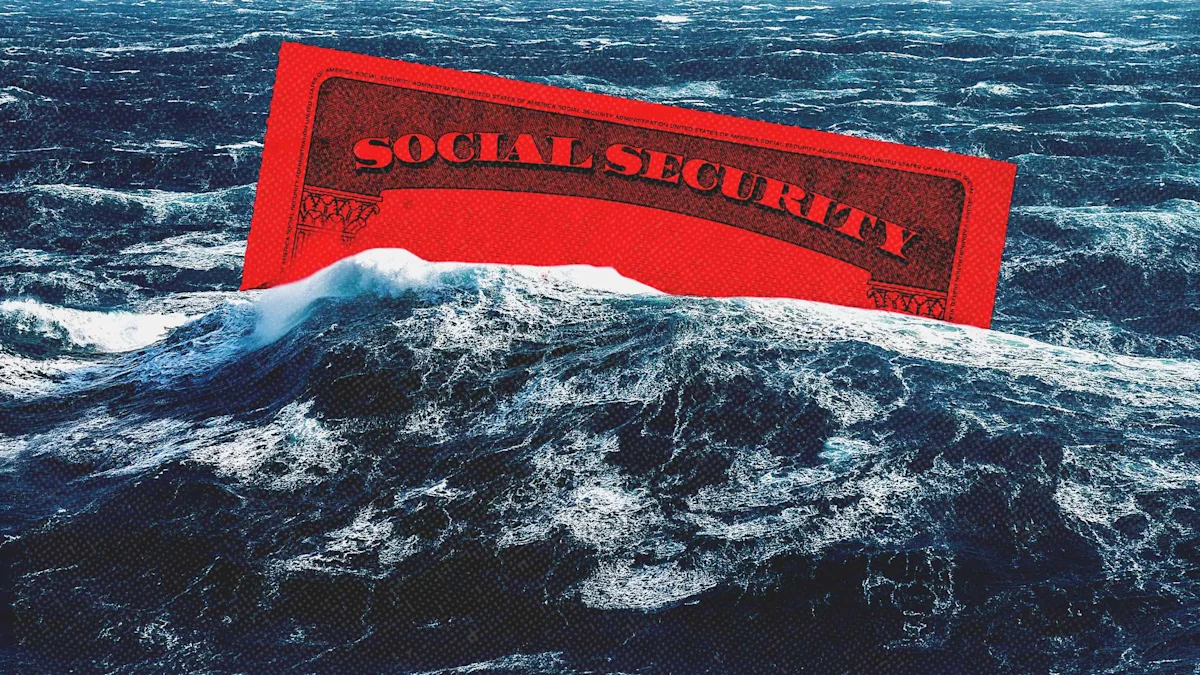
According to recent trustee projections, Social Security may eventually face a funding gap if Congress does not enact reforms.
Under current law, if trust fund reserves are depleted, incoming payroll tax revenue would still fund most benefits—but not all of them.
That could result in automatic reductions unless lawmakers intervene.
The Obvious Consequence: Smaller Monthly Checks
The most direct impact of benefit cuts would be reduced monthly payments.
For example:
| Current Monthly Benefit | 20% Reduction | New Benefit |
|---|---|---|
| $1,500 | -$300 | $1,200 |
| $2,000 | -$400 | $1,600 |
| $2,500 | -$500 | $2,000 |
| $3,000 | -$600 | $2,400 |
For retirees who depend heavily on Social Security, even modest reductions could significantly affect household budgets.
The Less Obvious Consequence: More Seniors Could Stay in the Workforce
One of the biggest secondary effects may be delayed retirement.
If benefits become less generous, many workers may feel compelled to:
- Work additional years
- Delay retirement
- Return to work after retiring
- Take part-time jobs to supplement income
While some older Americans enjoy working longer, others may face physical limitations or health conditions that make extended employment difficult.
For workers in physically demanding occupations, delayed retirement may not be a realistic option.
Increased Financial Pressure on Families
Benefit reductions could also affect younger generations.
Many retirees rely on Social Security as their primary source of income. If benefits decline, some seniors may need additional support from:
- Adult children
- Other relatives
- Caregivers
This could create new financial pressures for working-age families already managing housing costs, childcare expenses, and their own retirement savings goals.
Experts sometimes refer to this as a “multigenerational financial squeeze.”
A Higher Risk of Senior Poverty
Perhaps the most concerning consequence involves poverty among older Americans.
Social Security remains one of the nation’s most effective anti-poverty programs.
Without Social Security benefits, millions more seniors would fall below the federal poverty line.
If benefits are reduced significantly, some experts worry that poverty rates among older Americans could increase.
Groups considered particularly vulnerable include:
- Low-income retirees
- Widows and widowers
- Disabled beneficiaries
- Individuals with limited retirement savings
Healthcare Could Become Harder to Afford
Many retirees already dedicate a large portion of their budgets to healthcare expenses.
These costs often include:
- Medicare premiums
- Prescription medications
- Supplemental insurance plans
- Doctor visits
- Long-term care services
Smaller Social Security checks could make it more difficult for some seniors to keep up with rising healthcare costs, potentially leading to delayed treatments or reduced access to care.
Local Economies Could Feel the Impact
Social Security payments don’t just support beneficiaries—they also support local businesses and communities.
Every month, beneficiaries spend their checks on:
- Groceries
- Utilities
- Rent
- Home maintenance
- Transportation
- Healthcare services
If millions of Americans receive smaller payments, economists say local economies could experience reduced consumer spending.
Communities with large retiree populations may feel the impact most strongly.
What Congress Is Considering
Lawmakers continue discussing several possible solutions designed to strengthen Social Security’s finances.
Common proposals include:
✅ Raising the payroll tax cap
✅ Increasing payroll tax rates
✅ Raising the Full Retirement Age
✅ Modifying benefit formulas
✅ Adjusting benefits for higher-income retirees
Most experts believe Congress will eventually take action, although there is ongoing debate about which approach is best.
Why Experts Say Planning Matters
Financial planners frequently remind workers that Social Security was intended to supplement retirement income rather than fully replace it.
As a result, experts encourage Americans to:
- Increase retirement savings
- Contribute to 401(k) plans and IRAs
- Reduce debt before retirement
- Build emergency savings
- Diversify retirement income sources
Preparing early may provide greater flexibility if future reforms affect benefits.
Bottom Line
Potential Social Security benefit cuts would undoubtedly reduce monthly payments for millions of Americans. But experts warn that the consequences could extend far beyond smaller checks. Delayed retirement, increased pressure on families, higher poverty rates among seniors, reduced access to healthcare, and broader economic effects are among the less obvious outcomes that policymakers must consider. As the debate over Social Security’s future continues, many analysts argue that the broader social impact deserves just as much attention as the size of the benefit reductions themselves.