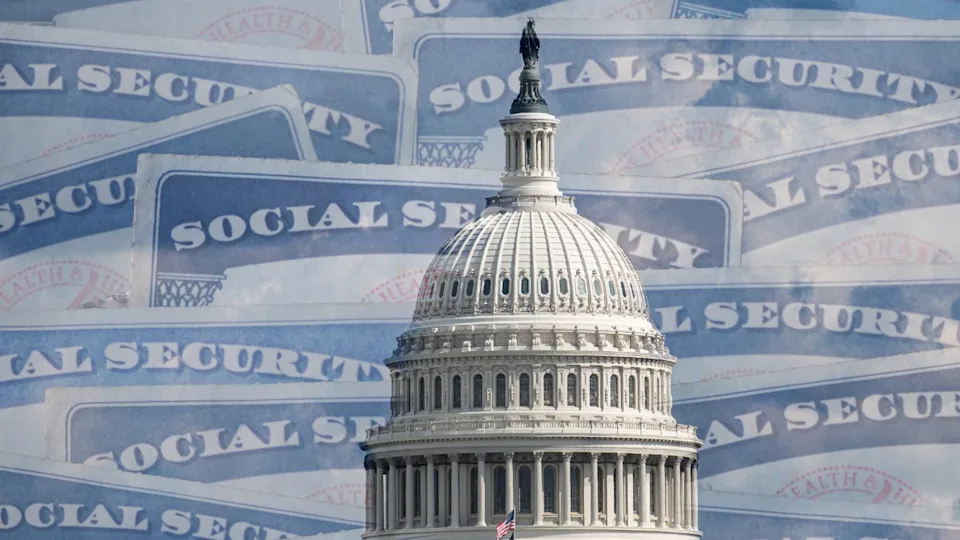
WASHINGTON, D.C. — After years of debate, momentum is building in Washington for changes aimed at strengthening Social Security’s long-term finances.
Although Congress has not yet approved a comprehensive reform package, lawmakers from both parties have recently introduced proposals designed to address the program’s projected funding shortfall. With the retirement trust fund expected to face depletion in the early 2030s under current projections, many experts believe decisions may have to come sooner rather than later.
For retirees and workers alike, understanding what could change is becoming increasingly important.
Why Social Security Reform Is Back in the Spotlight
Social Security is funded primarily through payroll taxes collected from workers and employers.
For decades, those tax revenues exceeded benefit payments, allowing trust funds to build reserves. Today, however, demographic changes—including longer life expectancies and the retirement of the Baby Boomer generation—have increased the number of beneficiaries while reducing the ratio of workers supporting the system.
According to the Social Security Trustees, if no action is taken, the retirement trust fund could be depleted around 2032. Even then, the program would continue paying benefits through ongoing payroll tax revenue, but scheduled payments could be reduced by roughly 22% under current law.
Several Reform Ideas Are Being Discussed
Congress has not settled on a single solution, but several proposals continue to receive attention.
Among the ideas frequently discussed are:
- Raising or eliminating the cap on wages subject to Social Security payroll taxes.
- Increasing payroll tax rates.
- Gradually adjusting the full retirement age for younger generations.
- Modifying benefit formulas for future retirees.
- Creating bipartisan commissions or advisory boards to recommend long-term reforms.
Some lawmakers favor combining several of these approaches to spread the impact across workers, employers, and future beneficiaries.
What Current Retirees Should Know
For people already receiving Social Security, there are no immediate changes to monthly payments.
Current retirement, survivor, and disability benefits continue under existing law, and Congress has not approved legislation reducing benefits or changing eligibility for today’s recipients.
Any major reform would need to pass both the House and Senate before being signed into law.
Future Workers Could See the Biggest Changes
Many policy experts believe that if Congress enacts reforms, they are more likely to affect younger workers than people already in retirement.
Possible future changes could include:
- Paying payroll taxes on a larger share of high-income earnings.
- Gradually increasing the full retirement age for younger generations.
- Adjusting benefit calculations for future retirees.
- Strengthening program finances through additional revenue.
Historically, significant Social Security reforms have often included long transition periods, giving workers time to prepare.
Why Acting Sooner Could Matter
Many economists argue that earlier action gives Congress more flexibility.
Gradual adjustments implemented over several years may be easier for workers and retirees to adapt to than changes adopted after the trust fund nears depletion.
Waiting longer could require larger adjustments in a shorter period of time, making reform more difficult both politically and financially.
What You Can Do Now
While lawmakers continue debating the future of Social Security, financial professionals generally recommend focusing on factors individuals can control.
That may include:
- Reviewing expected Social Security benefits.
- Increasing retirement savings when possible.
- Delaying benefits if it aligns with long-term financial goals.
- Building additional retirement income through workplace plans, IRAs, or other savings.
- Monitoring congressional developments before making major financial decisions.
Retirement planning works best when Social Security is viewed as one component of a broader financial strategy rather than the sole source of retirement income.
Bottom Line
A major Social Security overhaul has not yet become law, but the pressure on Congress to act continues to grow. With the program facing a projected funding shortfall in the coming years, lawmakers are actively debating reforms that could strengthen Social Security’s long-term finances. While current retirees are unlikely to see immediate changes, workers planning for retirement should stay informed as discussions continue and future legislation takes shape.