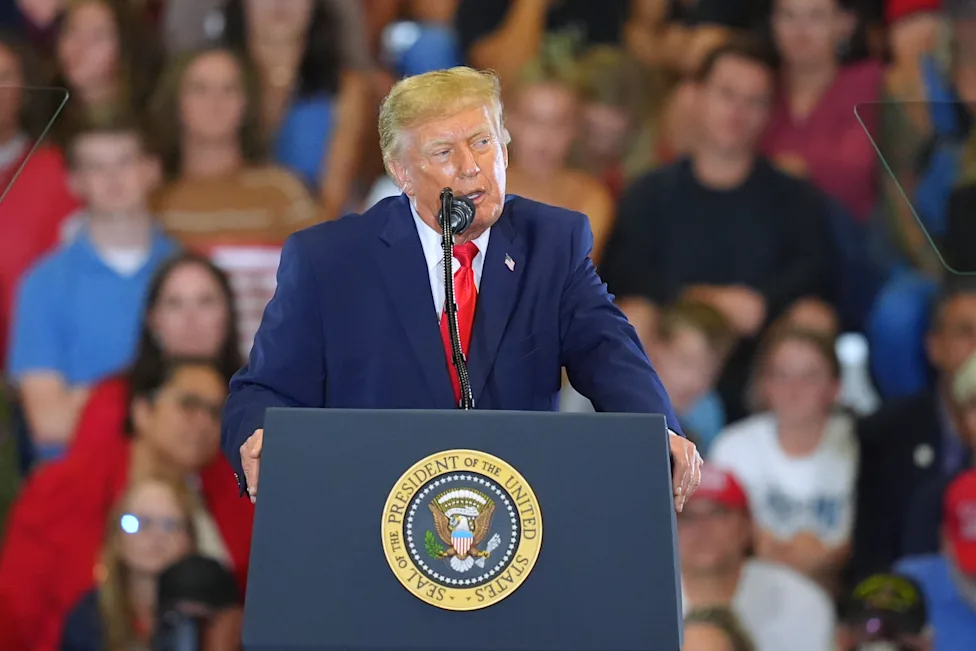
President Trump has announced that the administration will send a one-time $90 payment to 21 million people enrolled in Medicare Part B coverage. The payments will be issued automatically to qualified Medicare beneficiaries starting this week.
Not everyone enrolled in Medicare Part B will be paid. There are over 70 million people enrolled in Medicare, with almost 63 million in Part B, which covers general medical care and preventive health services.
In a White House statement, the president said the “premium rebates” are intended to help “enrollees pay for their Medicare Part B premiums.”
The standard Part B premium is $202.90 for 2026, up from $185 in 2025.
Who will receive the Medicare premium rebate?
The payment will be issued to those enrolled in medical care through Part B of traditional Medicare with four exclusions.
Medicare beneficiaries will not receive a $90 payment if:
-
They pay a surcharge because of an income-related adjustment to the Part B premium. This applies to people with higher incomes.
-
They participate in a Medicare Savings Program, which helps pay or reimburse Part B premium costs for lower-income beneficiaries. This payment assistance may come from Medicaid.
-
They are enrolled in Advantage plans, even though they may also pay a Part B premium.
-
They are not living in the United States.
Read next: Medicare open enrollment: How to add or adjust your coverage
When will the payments be issued?
Medicare beneficiaries do not need to apply for the one-time payment. Medicare Part B enrollees with direct deposit will receive the $90 payment from the Social Security Administration on or around Oct. 8. Those without a direct deposit account will receive a check later in October delivered to their Medicare-registered mailing address. The check will include the message, “Medicare Improvement Fund Payment; $90 Payment to Offset October Premium.”
To check on your eligibility for the payment, call 800-MEDICARE (800-633-4227).
Read next: Should you buy a Medicare Advantage plan from Costco? What you’ll want to know.
Analysts: Payments may not offset rising costs
Juliette Cubanski, director of Medicare policy at KFF, a nonprofit health policy organization, said, “this one-time payment may not go far at offsetting rising costs for healthcare and other everyday essentials.” Cubanski noted that Part B annual premiums are expected to rise by $79 in 2027, which would consume “most of the $90 payment.”
The payments come from the $2 billion Medicare Improvement Fund, which KFF says will effectively drain the fund established in 2008. The fund was intended to “make improvements” to the original fee-for-service benefits under part A or part B.
Other checks are being issued — and another linked to elections promised
The Trump administration has also begun issuing $500 checks to about 1 million Americans whom the president says were overcharged for health insurance under the Affordable Care Act.
Recently, the president made a campaign promise to issue a $5,000 check to “every adult citizen” in the U.S. “if Republicans win the House of Representatives and the Senate in the 2026 Midterm Elections.” The White House had previously called the payment a “Trump dividend.”
However, recent polls by The Economist/YouGov, NBC, and Marquette Law show that promising checks to Americans may not be as effective as the administration hopes.