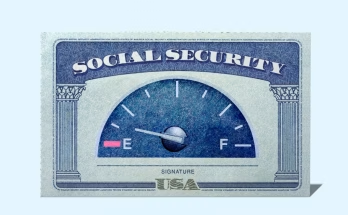
Millions of Americans are preparing to receive their Social Security payments this week as the Social Security Administration (SSA) continues its May 2026 distribution schedule.
For retirees, disabled workers, and survivor beneficiaries whose birthdays fall between the 11th and 20th of the month, Wednesday, May 20, 2026, is the official payday.
The monthly benefit remains a critical source of income for older Americans facing continued pressure from inflation, healthcare expenses, rising housing costs, and grocery prices.
Who Will Receive Social Security Payments on May 20?
The Social Security Administration distributes payments according to beneficiaries’ birth dates.
Beneficiaries Paid on May 20 Include:
| Eligible Group | Details |
|---|---|
| Retired workers | Receiving monthly retirement benefits |
| SSDI recipients | Social Security Disability Insurance |
| Survivor beneficiaries | Widows, widowers, and dependents |
| Birthdays | Between the 11th and 20th |
| Benefit start date | After May 1997 |
Retirees who began receiving benefits before May 1997 generally receive payments earlier in the month under a separate payment schedule.
Full Social Security Payment Calendar for May 2026
The SSA spreads payments across multiple Wednesdays to avoid processing delays and reduce pressure on banking systems.
| Payment Date | Recipients |
|---|---|
| May 1, 2026 | SSI recipients |
| May 13, 2026 | Birthdays from 1st–10th |
| May 20, 2026 | Birthdays from 11th–20th |
| May 27, 2026 | Birthdays from 21st–31st |
This payment structure has been used nationwide since the late 1990s.
Average Retirement Checks Increased in 2026
Social Security benefits increased this year following the latest Cost-of-Living Adjustment (COLA).
The 2026 COLA increase of 2.8% boosted payments for nearly 71 million Americans.
Estimated Average Monthly Payments in 2026
| Benefit Type | Average Monthly Amount |
|---|---|
| Retired worker | Around $2,081 |
| Disabled worker (SSDI) | Around $1,580–$1,700 |
| Survivor benefits | Varies by household |
| Maximum retirement benefit at age 70 | Over $5,000 |
For many retirees, the increase translated into approximately $50 to $60 in additional monthly income.
Why Social Security Matters More in 2026
Social Security remains the largest source of retirement income for millions of households.
Economic pressures continue affecting older Americans across the country, including:
- Higher healthcare costs
- Increased Medicare premiums
- Rising prescription drug prices
- Elevated grocery bills
- Housing affordability concerns
- Utility and insurance increases
Financial analysts say retirees living on fixed incomes continue feeling pressure despite the latest COLA increase.
Inflation Still a Major Concern for Seniors
Although inflation slowed compared with previous years, many retirees say everyday expenses remain high.
Areas Creating Financial Pressure
| Expense Category | Impact on Seniors |
|---|---|
| Groceries | Continued food price increases |
| Healthcare | Higher out-of-pocket expenses |
| Housing | Rent and property tax increases |
| Insurance | Premium costs rising |
| Utilities | Electricity and gas bills remain elevated |
Many seniors rely heavily on monthly Social Security checks to manage these expenses.
Direct Deposit Remains the Preferred Payment Method
The vast majority of beneficiaries now receive payments electronically.
Main Payment Methods
| Method | Description |
|---|---|
| Direct Deposit | Sent directly to bank accounts |
| Direct Express Card | Government-issued debit card |
| Paper Check | Limited use today |
The SSA strongly encourages electronic payments because they are:
- Faster
- Safer
- More reliable
- Less vulnerable to fraud or mail theft
What Retirees Should Do if Payments Are Delayed
While most payments arrive on time, occasional banking delays may occur.
Recommended Steps
- Wait at least three business days
- Check your bank account or payment card
- Contact your financial institution
- Reach out to the Social Security Administration if needed
Many delays are caused by:
- Bank processing issues
- Federal holidays
- Incorrect account information
- Recently updated direct deposit details
Retirement Age Continues To Shape Monthly Benefits
Financial planners continue emphasizing that retirement age plays a major role in determining monthly Social Security income.
Retirement Age Comparison
| Retirement Age | Effect on Benefits |
|---|---|
| 62 | Reduced monthly payments |
| 67 | Full retirement benefit |
| 70 | Maximum monthly benefit |
Workers who delay benefits beyond full retirement age receive delayed retirement credits, permanently increasing their monthly checks.
Medicare and Social Security Remain Closely Connected
Most retirees become eligible for Medicare at age 65.
In many cases:
- Medicare Part B premiums are deducted automatically from Social Security payments
- Healthcare costs continue reducing retirees’ net monthly income
Healthcare remains one of the largest expenses facing older Americans in retirement.
Social Security Funding Debate Continues
Policymakers in Washington continue debating long-term Social Security funding solutions.
Key concerns include:
- Aging U.S. population
- Longer life expectancy
- Fewer workers supporting the system
- Rising retirement numbers
While current retirees continue receiving payments normally, discussions about future reforms remain active.
Financial Experts Encourage Retirement Planning
Retirement specialists say Americans should continue planning carefully even if they expect to receive Social Security.
Common Recommendations
| Financial Strategy | Purpose |
|---|---|
| Delay benefits if possible | Higher monthly income |
| Monitor earnings history | Prevent SSA calculation errors |
| Build retirement savings | Reduce dependence on benefits |
| Prepare for medical costs | Healthcare expenses rise with age |
| Understand tax rules | Some benefits may be taxable |
Experts also recommend creating an online Social Security account to:
- Review earnings records
- Estimate future benefits
- Track payment history
- Manage direct deposit information
Social Security by the Numbers in 2026
Quick Facts
| Topic | 2026 Estimate |
|---|---|
| Americans receiving benefits | Over 70 million |
| Average retiree benefit | About $2,081 |
| COLA increase | 2.8% |
| Earliest claiming age | 62 |
| Full retirement age | Around 67 |
| Medicare eligibility | 65 |
Bottom Line
Wednesday, May 20, 2026, marks an important payment date for millions of Social Security beneficiaries whose birthdays fall between the 11th and 20th of the month.
As inflation, healthcare costs, and retirement planning challenges continue shaping financial decisions across America, Social Security remains one of the nation’s most important financial safety programs for retirees and disabled workers.
For many older Americans, the monthly payment continues serving as the foundation of retirement income in an uncertain economic environment.