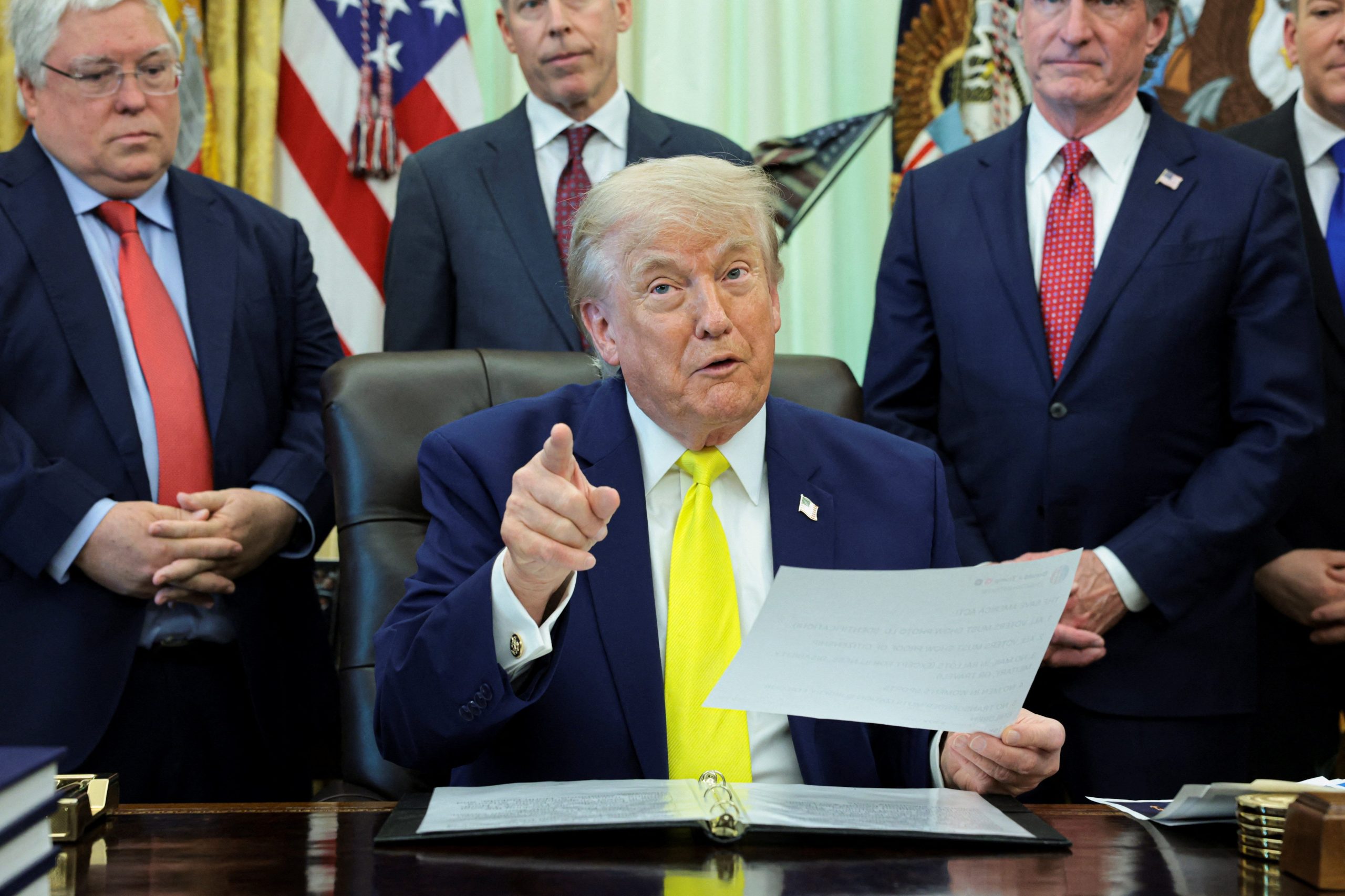
President Donald Trump is once again looking abroad for ideas to reshape retirement savings in America, this time focusing on Australia’s highly regarded “superannuation” system, commonly known as “super.”
The proposal has attracted attention from retirement experts and economists, many of whom agree that Australia’s model has been successful. However, they also warn that implementing a similar system in the United States would require major changes to the nation’s retirement landscape.
What Is Australia’s “Super” System?
Australia’s superannuation system requires employers to contribute a percentage of workers’ wages into retirement investment accounts.
As of 2025, Australian employers must contribute 12% of an employee’s earnings into a retirement fund. The money is invested throughout the worker’s career and becomes available during retirement.
The system has helped Australia build one of the largest retirement savings pools in the world, with trillions of dollars invested on behalf of workers.
What Trump Has Said
Trump recently said his administration is studying Australia’s retirement model and exploring whether a similar approach could work in the United States.
According to reports, administration officials are examining ways to expand retirement savings opportunities, particularly for workers who do not currently have access to employer-sponsored retirement plans. Trump said his team is looking at the Australian system and making it “even better” for American workers.
The discussion comes alongside broader efforts to encourage investment and savings through new retirement-focused initiatives.
Why Experts Like the Australian Model
Supporters point to several advantages:
Automatic Saving
Workers do not have to choose whether to participate. Contributions are made automatically through employers.
Larger Retirement Balances
Mandatory contributions help workers accumulate significantly larger retirement savings over time.
Less Dependence on Government Benefits
Australia’s retirement system was designed to reduce reliance on government-funded pensions and increase self-funded retirement income.
Why Experts Are Skeptical
While many experts praise Australia’s success, they caution that the U.S. faces unique challenges.
Employers Would Face Higher Costs
Australia requires employers to contribute 12% of wages. Many U.S. employers currently offer much smaller retirement contributions or none at all.
Mandating a nationwide contribution could increase labor costs, especially for small businesses.
The U.S. Relies Heavily on Social Security
Unlike Australia’s investment-based approach, Social Security operates largely as a pay-as-you-go system funded through payroll taxes.
Transitioning to a different model would require significant policy changes and congressional approval.
Millions of Americans Are Unprepared
Experts note that many workers have little retirement savings and depend heavily on Social Security. Any major reform would need to protect current retirees while building savings for future generations.
How the Systems Compare
| Feature | United States | Australia |
|---|---|---|
| Social Security | Primary government retirement program | Means-tested Age Pension |
| Employer Contributions | Often voluntary | Mandatory |
| Contribution Rate | Varies by employer | 12% minimum |
| Retirement Savings Participation | Not universal | Nearly universal |
| Investment Accounts | Mainly 401(k)s and IRAs | Superannuation funds |
Could It Happen?
Experts say a full Australian-style system is unlikely to appear overnight.
Instead, policymakers may consider smaller reforms such as:
- Expanding workplace retirement plans
- Increasing automatic enrollment
- Raising employer contribution incentives
- Creating new government matching programs for lower-income workers
Any major change would require congressional approval and could face political resistance from employers, workers, and lawmakers.
Bottom Line
Australia’s retirement “super” system is widely viewed as one of the world’s strongest retirement savings models. President Trump has expressed interest in adapting parts of it for the United States, but experts caution that America’s dependence on Social Security, different employment structure, and political realities make a direct copy difficult.
For now, the idea remains in the discussion stage, but it has already sparked a broader debate about how the U.S. should prepare future generations for retirement.