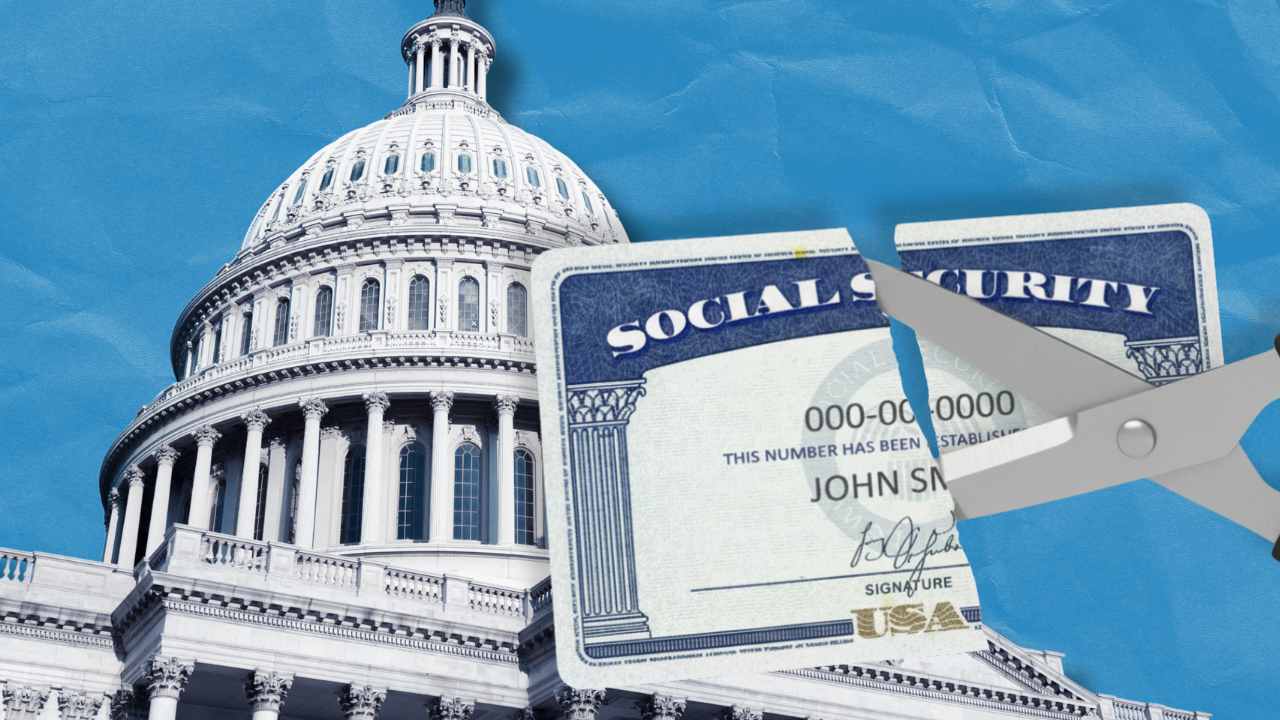
Millions of Americans counting on Social Security for retirement may eventually receive less than they expected—not because Congress directly cuts benefits, but because of a growing issue that experts often describe as a “backdoor benefit cut.”
Unlike an explicit reduction in monthly checks, this type of benefit cut happens gradually through changes in retirement rules, longer working careers, inflation pressures, and the financial challenges facing Social Security itself.
For younger workers and future retirees, the impact could be significant.
What Is a “Backdoor Benefit Cut”?
A backdoor benefit cut is a change that reduces the value of future benefits without officially announcing a reduction in Social Security payments.
Instead of telling retirees that benefits are being cut, policymakers may implement changes such as:
- Raising the Full Retirement Age
- Modifying benefit formulas
- Reducing future cost-of-living adjustments (COLAs)
- Increasing payroll taxes
- Expanding the number of years used to calculate benefits
While these changes may not affect current retirees immediately, they can reduce lifetime benefits for future recipients.
The Retirement Age Has Already Increased
One example is the gradual increase in Full Retirement Age (FRA).
For decades, Americans could receive full Social Security retirement benefits at age 65. However, reforms passed in 1983 gradually raised the FRA to 67 for people born in 1960 or later.
That transition is now complete.
Although workers can still claim benefits at age 62, claiming before FRA results in permanently reduced monthly payments.
Many experts consider this one of the largest “backdoor” benefit reductions in Social Security history because workers must wait longer to receive their full benefit amount.
Social Security Faces Financial Challenges
According to projections from Social Security trustees, the program’s trust funds are expected to face funding shortfalls in the coming years if Congress does not enact reforms.
Current projections indicate that once reserves are depleted, incoming payroll taxes would still cover most scheduled benefits, but not all of them.
Lawmakers therefore face difficult decisions, including:
| Possible Reform | Potential Impact |
|---|---|
| Raise payroll taxes | Higher taxes for workers |
| Increase retirement age | Smaller lifetime benefits |
| Reduce future benefits | Lower monthly payments |
| Adjust COLA formulas | Slower benefit growth |
| Increase taxable earnings cap | More taxes on higher earners |
No final decisions have been made, but experts agree that some form of reform will likely be necessary.
Why Younger Workers Could Be Affected Most
Current retirees are generally protected because reducing benefits for people already receiving Social Security is politically difficult.
Instead, many proposed reforms focus on future retirees.
For example:
- Raising the retirement age primarily affects younger workers.
- Changing benefit formulas mainly impacts future claimants.
- Slower COLA growth would have greater effects over time.
As a result, workers in their 30s, 40s, and 50s could experience larger changes than today’s retirees.
Inflation Remains a Concern
Even when Social Security benefits increase through annual Cost-of-Living Adjustments (COLAs), many retirees argue that benefit increases do not always keep pace with real-world expenses.
Healthcare costs, housing expenses, insurance premiums, and prescription drug prices often rise faster than general inflation.
As a result, some retirees feel their purchasing power has declined despite annual COLA increases.
This creates another form of indirect benefit reduction because monthly checks may buy less over time.
What Experts Are Saying
Retirement specialists emphasize that Social Security is unlikely to disappear.
Instead, they expect lawmakers to eventually adopt reforms that preserve the program while reducing long-term financial pressures.
Potential solutions frequently discussed include:
✅ Gradually increasing payroll taxes
✅ Raising or eliminating the taxable earnings cap
✅ Modifying benefits for higher-income retirees
✅ Increasing the Full Retirement Age
✅ Combining several smaller reforms
Most experts believe any future changes would likely be phased in over many years rather than implemented suddenly.
What Future Retirees Can Do
Financial planners recommend that workers prepare for the possibility of receiving a smaller percentage of retirement income from Social Security than previous generations.
Steps that may help include:
- Increasing retirement savings
- Contributing to 401(k) plans
- Opening IRAs
- Delaying retirement when possible
- Reducing debt before retirement
- Creating multiple sources of retirement income
The earlier workers begin planning, the more flexibility they may have if future reforms are adopted.
Bottom Line
Millions of future Social Security recipients could face what experts describe as a “backdoor benefit cut” through gradual policy changes rather than direct reductions in monthly checks. Rising Full Retirement Ages, potential funding reforms, inflation pressures, and adjustments to benefit formulas could all reduce the value of future benefits for younger generations.
While Social Security remains one of America’s most important retirement programs, future retirees may need to rely more heavily on personal savings and workplace retirement plans than previous generations. Understanding these challenges today can help workers prepare for a more secure retirement tomorrow.